Gums & discomfort

Soothe sore gums without risky gels

Drooling, fussiness, and sleepless teething nights are a normal phase — until you find homeopathy. Homeopathy soothes inflamed gums gently, with none of the FDA safety warnings of benzocaine gels or the organ load of frequent pain relievers.

Teething is a milestone every parent dreads a little — the drooling, the fussiness, the 2 a.m. wake-ups. The conventional options carry real concerns: teething gels with benzocaine have FDA safety warnings because they can numb the throat and affect feeding, and frequent pain relievers add cumulative load to a tiny liver and stomach. Homeopathy offers a gentler, safer way through: match the picture of your baby’s teething discomfort to the right remedy, soothe the inflamed gums, and support restful sleep. Safe for babies, precise dosing, and you can handle it at home.

No benzocaine risksNo organ loadSafe for babiesPrecise dosing
Why homeopathy

How homeopathy helps

Conventional teething relief has real downsides. Benzocaine gels carry FDA warnings — they can cause a rare but serious blood condition and numb the throat, which affects feeding. Frequent doses of acetaminophen or ibuprofen add cumulative load to a small baby’s liver and stomach, and dosing must be precise to avoid overdose. None of it supports the teething process itself.

Homeopathy reads the teething picture — is your baby irritable and inconsolable, or clingy and weepy? Is there a fever, excessive drool, or a slow, difficult teething pattern? The right remedy soothes the inflamed gums, eases the discomfort, and supports restful sleep through the phase — with no organ load, no numbing risks, and safe, repeatable dosing.

The remedies most commonly used

Match the symptom, choose the remedy

These are the remedies modern homeopathic practice turns to most often for gums & discomfort. Read the descriptions, pick the closest match to what you actually see, and give it.

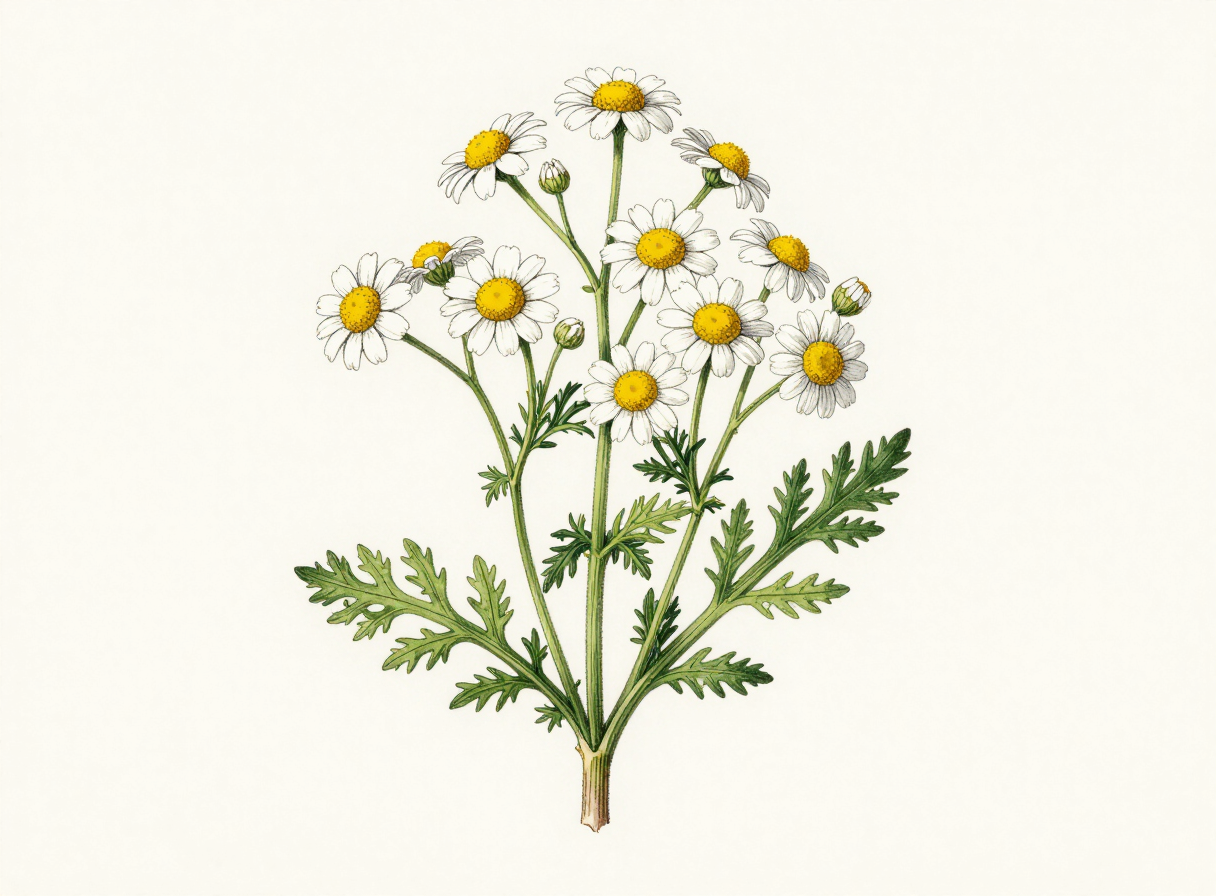
Chamomilla (German Chamomile) botanical illustration

Chamomilla

German Chamomile

The foremost teething remedy. The baby is extremely irritable, inconsolable, and only calmed by being carried. One cheek may be red and the other pale.

Key signs it fits

  • Extreme irritability, inconsolable
  • One red cheek, one pale
  • Better from being carried
  • Demands then rejects things

Potency and dose are suggestions only.

Potency: 200C

Dose: Twice daily during painful teething with severe irritability

Belladonna (Deadly Nightshade) botanical illustration

Belladonna

Deadly Nightshade

For teething with sudden fever and flushed face. The gums are inflamed and red, the baby is hot, and symptoms come on fast.

Key signs it fits

  • Teething with sudden fever
  • Hot, flushed, red face
  • Inflamed, red gums
  • Throbbing discomfort

Potency and dose are suggestions only.

Potency: 6C

Dose: Every 2-4 hours while intense; taper as pain eases.

Calcarea Carbonica (Calcium Carbonate) botanical illustration

Calcarea Carbonica

Calcium Carbonate

For slow, difficult teething often in chubby, sturdy babies with sweating, especially on the head during sleep. The baby may be chilly, stubborn, and easily tired by teething.

Key signs it fits

  • Slow, delayed, difficult teething
  • Sweaty head during sleep
  • Chilly and easily tired
  • Teething comes with fussiness

Potency and dose are suggestions only.

Potency: 200C

Dose: Once every 3 days for several months to support growth.

Practical guidance

How to give the remedy

Remedies come as tiny pellets or liquid drops. Tip a dose into the cap, then into the mouth, and let it dissolve. For babies and small children, dissolve a pellet in a little water and give a few drops by spoon or dropper. Two pellets or ten make no difference — one exposure is one dose. What matters is how often you repeat it.

Match the dose to the intensity

The more intense and sudden the symptoms, the more often you repeat the dose. As things ease, you space the doses further apart. The remedy-specific suggestions above are a starting point — let what you actually see guide how often you give it.

When to stop

As soon as there is clear, noticeable improvement, stop dosing. The remedy has done its work — continuing past improvement is not needed.

No change?

If nothing shifts after a few well-spaced doses, re-read the symptom picture and try the next closest match from the remedy cards above.

If you remember one thing

Match the remedy to the symptom, give it, and watch. As soon as there is real improvement, stop — the remedy has done its job.

When to seek extra support

Teething discomfort responds well to home care. Contact your healthcare provider if your baby has a high or persistent fever, is not feeding, has diarrhea with signs of dehydration, or if symptoms seem beyond normal teething. 

You can do this

Tiny bodies need gentle care.

Find remedies for all your babies discomforts on The Sol Family Remedy Finder. Just observe your baby’s symptoms, match it to the remedy that fits, and soothe their pains gently. The Family Remedy Finder makes the match simple.

For educational use only. Not medical advice. Homeopathic remedies are natural and therefore have not been and will never be evaluated by the FDA for efficacy. Remedy suggestions are based on hundreds of years of traditional use and research by modern homeopathic doctors. Always seek professional medical care for life-threatening emergencies.