The Core Remedies

Learn the top 20 remedies behind the Banerji Protocols

A brief introduction to the twenty remedies that form the backbone of modern homeopathic practice and the Sol Family Remedy Finder. Discover what each is made from and what it is most commonly used for.

The Banerji Protocols distilled decades of clinical practice into a focused set of remedies chosen for their reliability and reproducibility. While their protocols utilize many more than twenty remedies, these top twenty appear again and again with the highest frequency because they've proven themselves to be broad acting remedies capable of deep healing across a wide variety of complaints. This guide is educational only — it describes each remedy's source and the remedy's traditional uses, not necessarily those used by the Banerjis or modern homeopathic protocols. 

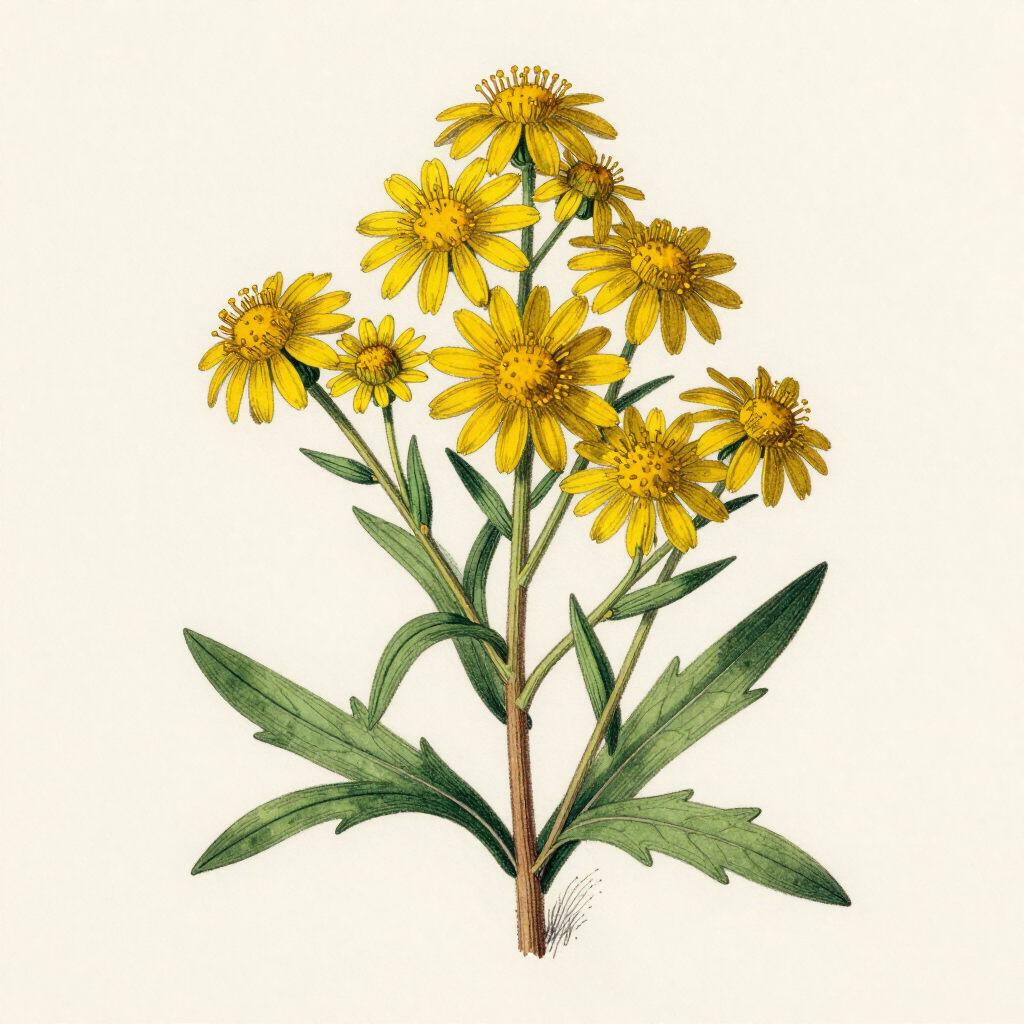
Botanical illustration of Arnica Montana

Arnica Montana

Leopard's Bane / Mountain Daisy

A yellow alpine wildflower of the daisy family

Perhaps the most famous homeopathic remedy, Arnica is the first choice for any physical trauma. It is used when the body has been bruised, banged, or overexerted, and the injured area is sore, tender, and worse to the touch.

Common uses

Bruises, muscle soreness, sprains, falls, blunt injuries, post-surgical recovery, exhaustion from overexertion, and shock after injury.
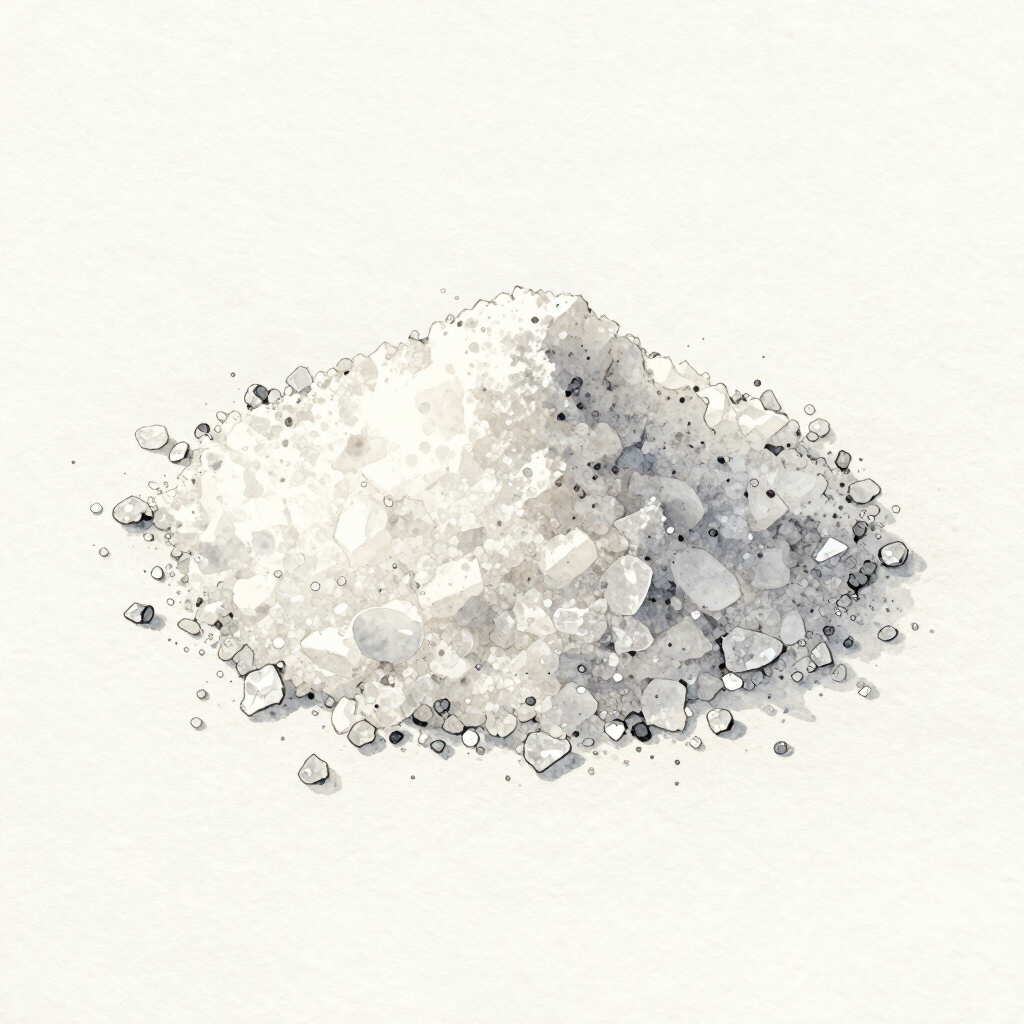
Botanical illustration of Arsenicum Album

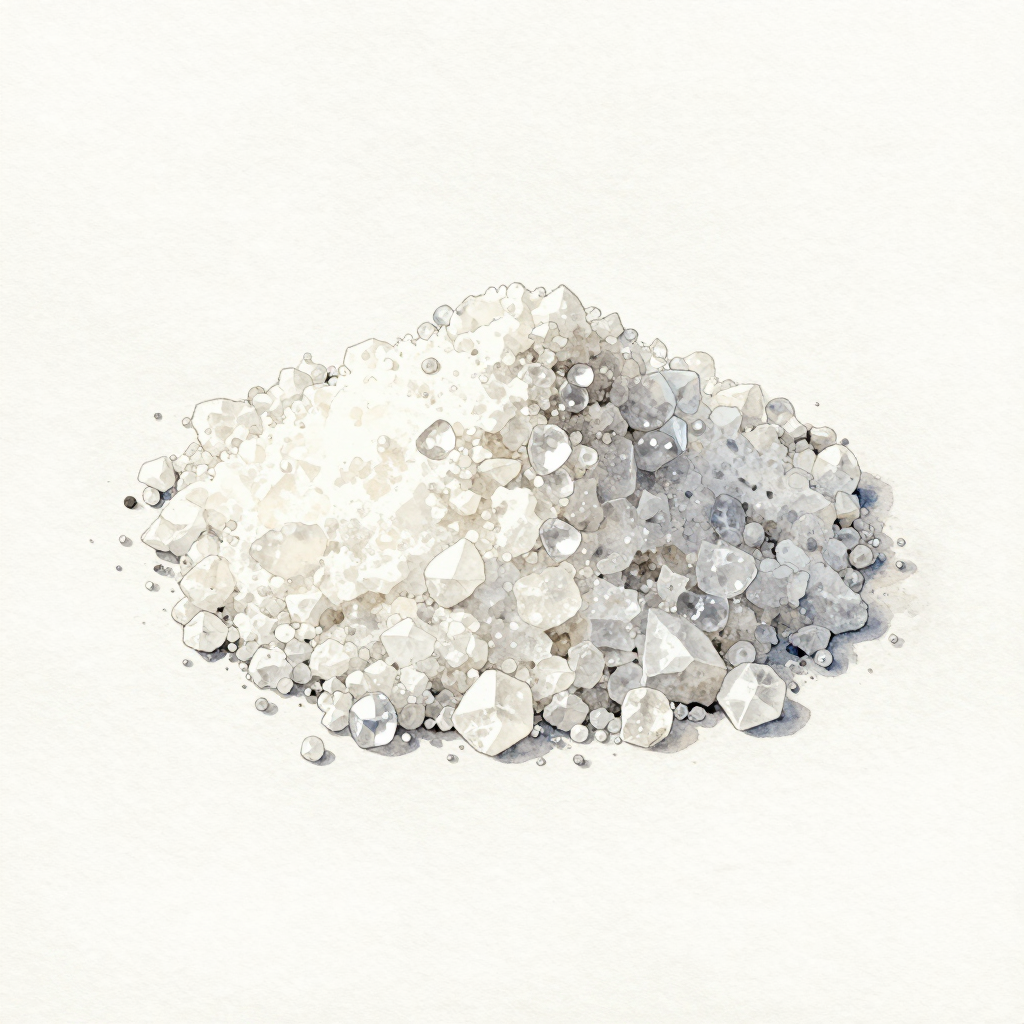
Arsenicum Album

Arsenic Trioxide

A white mineral compound

A key remedy for conditions accompanied by restlessness, anxiety, and exhaustion. The person often feels chilly, fearful, and tidily preoccupied, with symptoms that burn or itch yet improve with warmth.

Common uses

Food poisoning, diarrhea, vomiting, stomach flu, anxiety with restlessness, asthma, colds with watery discharge, and burning pains that feel better with heat.

Botanical illustration of Antimonium Crudum

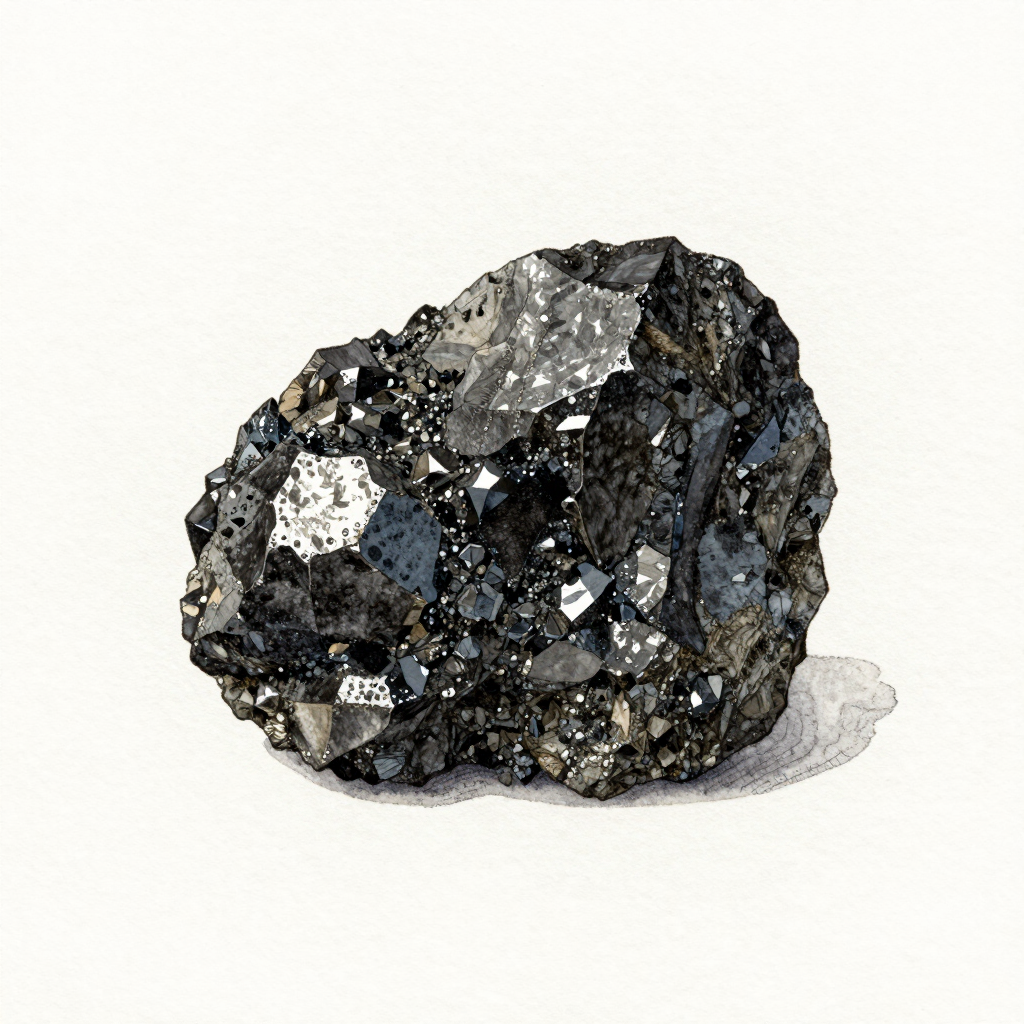
Antimonium Crudum

Black Antimony Sulfide

A dark metallic mineral

Associated with digestive upset after overindulgence and irritability of the skin. The person may be cross, sulky, and worse from heat or bathing, with a characteristic thick white coating on the tongue.

Common uses

Indigestion from overeating, nausea, bloating, thickly coated white tongue, calluses and corns, warts, and digestive complaints that worsen in hot weather.

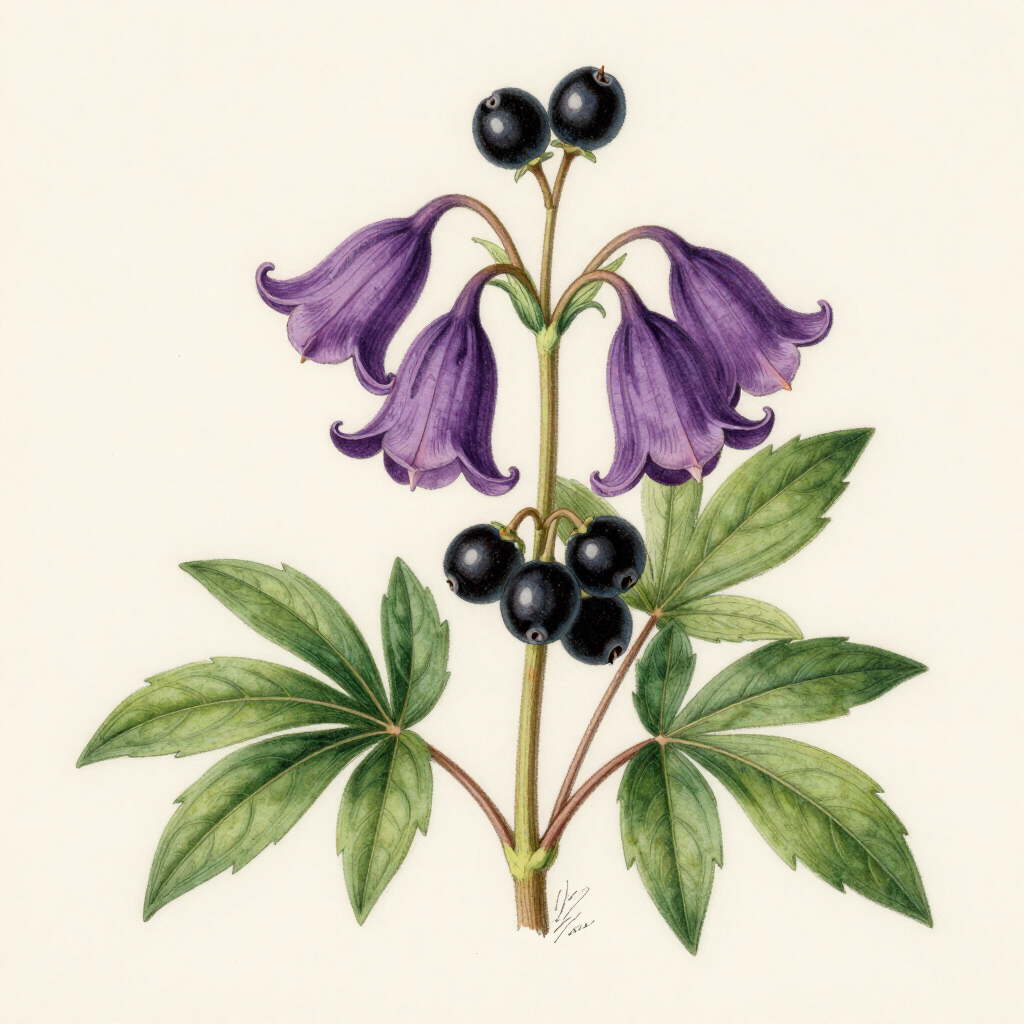
Botanical illustration of Belladonna

Belladonna

Deadly Nightshade

A toxic plant with purple bell-flowers and black berries

The classic remedy for sudden, intense, hot, and red conditions. Symptoms come on fast and violently, with throbbing pain, burning heat, and a flushed face. The person is often hypersensitive to light, noise, and touch.

Common uses

High fevers with hot flushed skin, throbbing headaches, sore throats, earaches, sunstroke, and sudden inflammatory conditions that flare up rapidly.

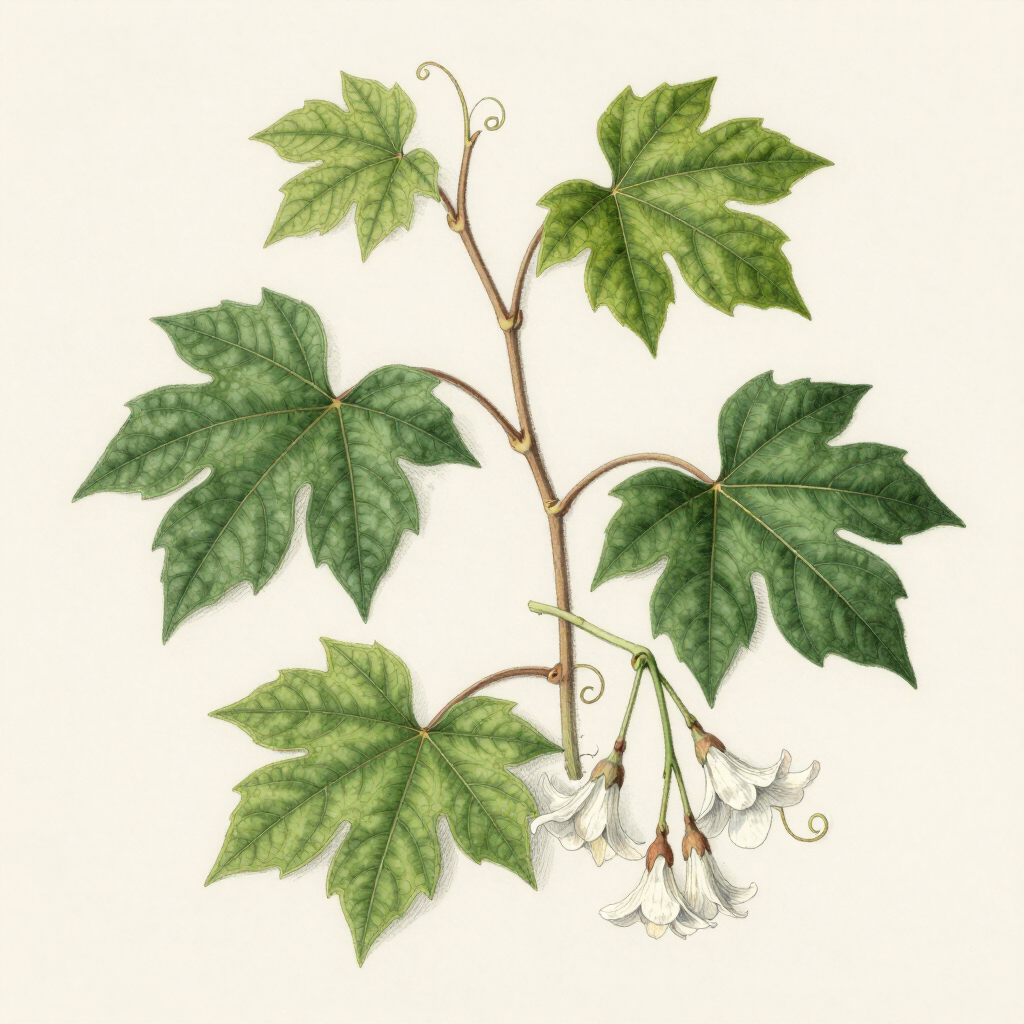
Botanical illustration of Bryonia Alba

Bryonia Alba

White Bryony

A climbing vine with white flowers

Used for slow-developing conditions with dryness, irritability, and a strong desire to stay perfectly still. Any movement worsens the complaint, and the person is often thirsty for large quantities of cold water.

Common uses

Dry coughs, chest colds, headaches that worsen with movement, joint pain improved by rest and pressure, constipation, and digestive complaints with irritability.

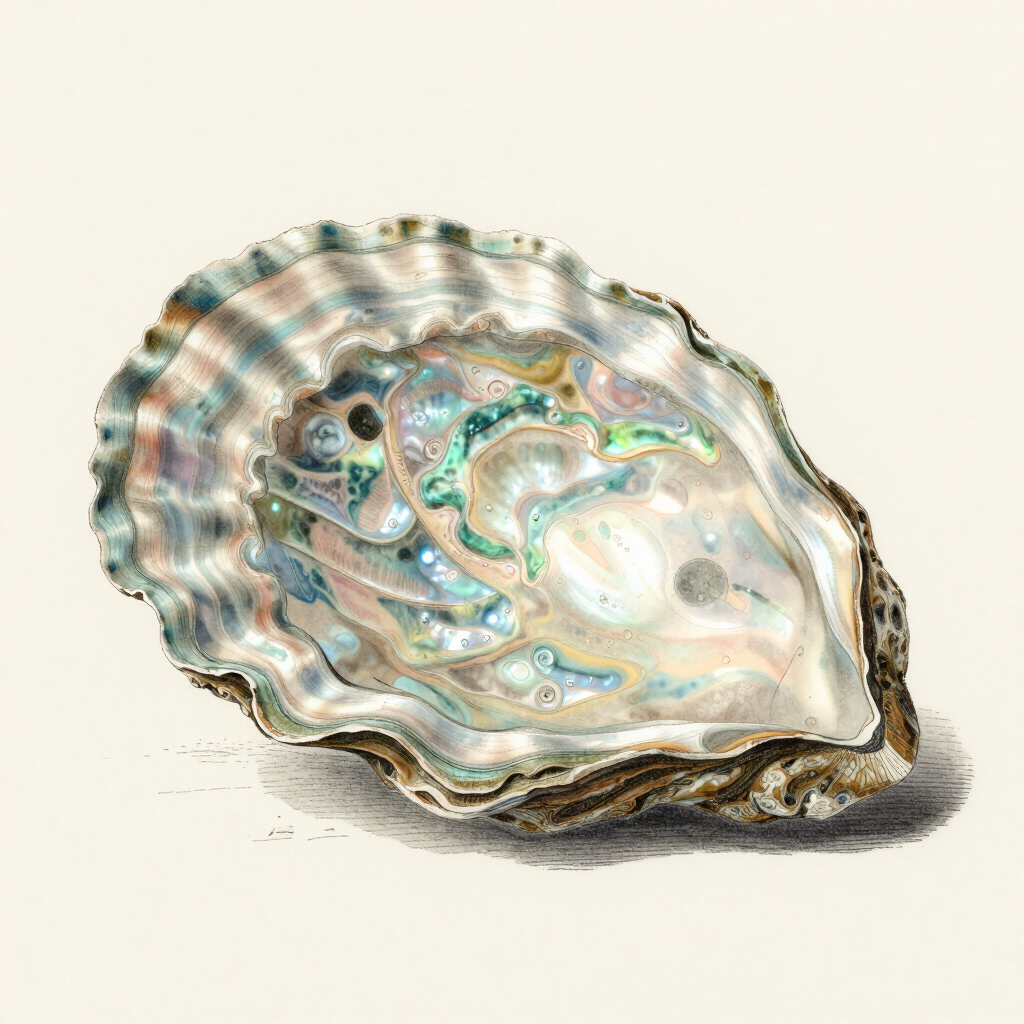
Botanical illustration of Calcarea Carbonica

Calcarea Carbonica

Calcium Carbonate / Oyster Shell

The middle layer of the oyster shell

A constitutional remedy often associated with slow, chilly, and easily exhausted people who sweat readily, especially on the head. It supports conditions tied to sluggish metabolism, growth, and calcium imbalance.

Common uses

Slow-healing conditions, chronic fatigue, anxiety and fearfulness, joint and bone weakness, digestive sluggishness, night sweats, and developmental concerns in children.

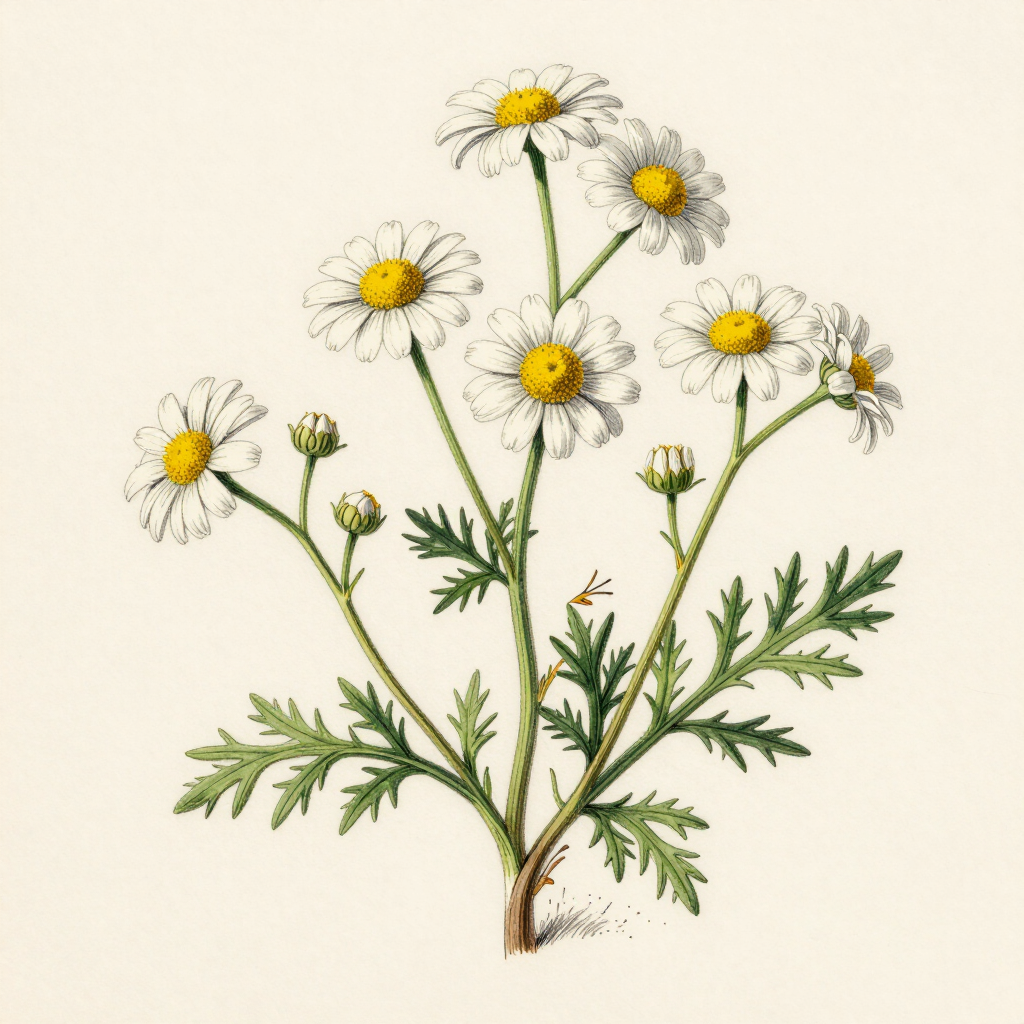
Botanical illustration of Chamomilla

Chamomilla

German Chamomile

A small daisy-like flower with feathery leaves

The foremost remedy for extreme irritability, especially in teething children. The person is hypersensitive, fretful, and impossible to please, with one red cheek and symptoms that worsen with heat or being touched.

Common uses

Teething pain, colic in infants, earaches, tantrums and inconsolable irritability, sleeplessness from pain, and complaints during teething or after anger.

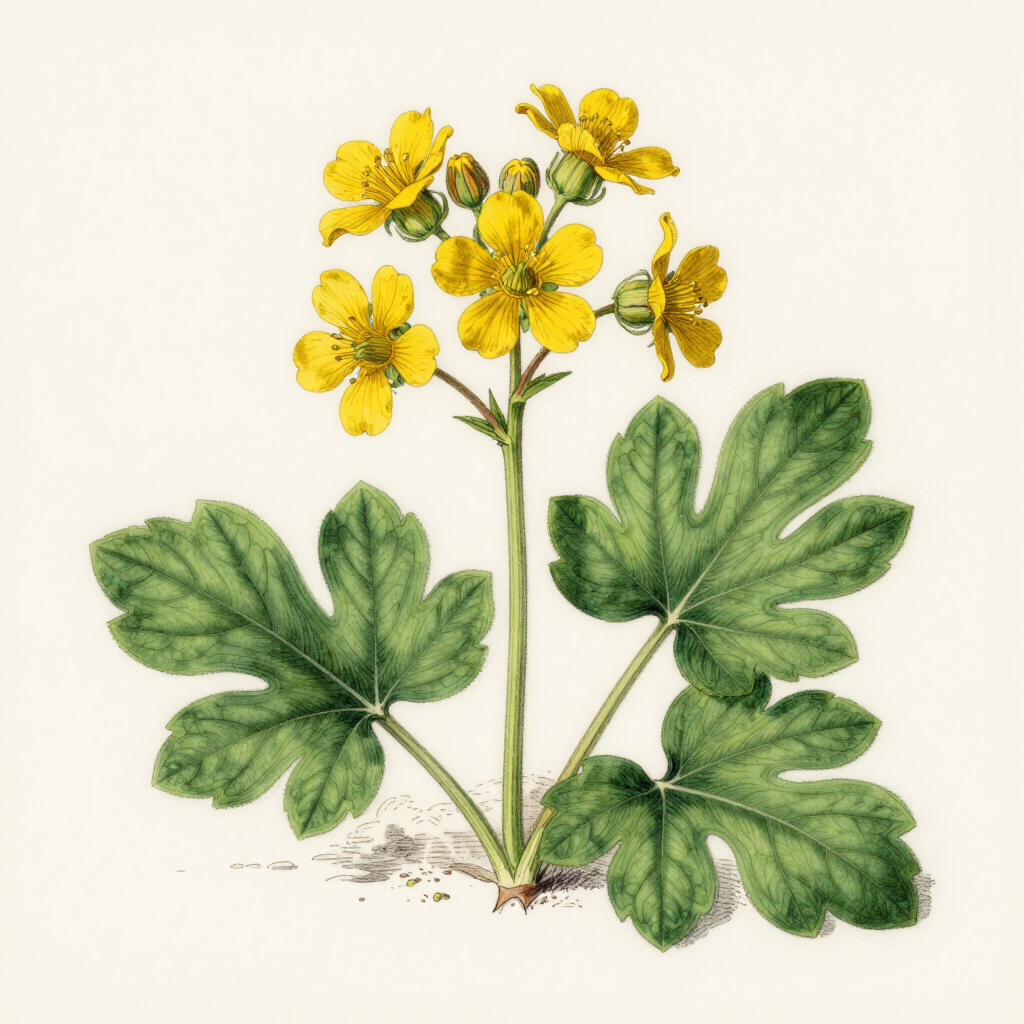
Botanical illustration of Chelidonium Majus

Chelidonium Majus

Greater Celandine

A yellow-flowered plant of the poppy family

A major liver and gallbladder remedy. Pain often radiates to the right shoulder blade, and the person may feel better from hot drinks, warmth, and leaning forward. The tongue may show a yellow coating.

Common uses

Liver and gallbladder disorders, right-sided headaches, jaundice, indigestion with right shoulder pain, nausea, and abdominal discomfort that improves with warmth.

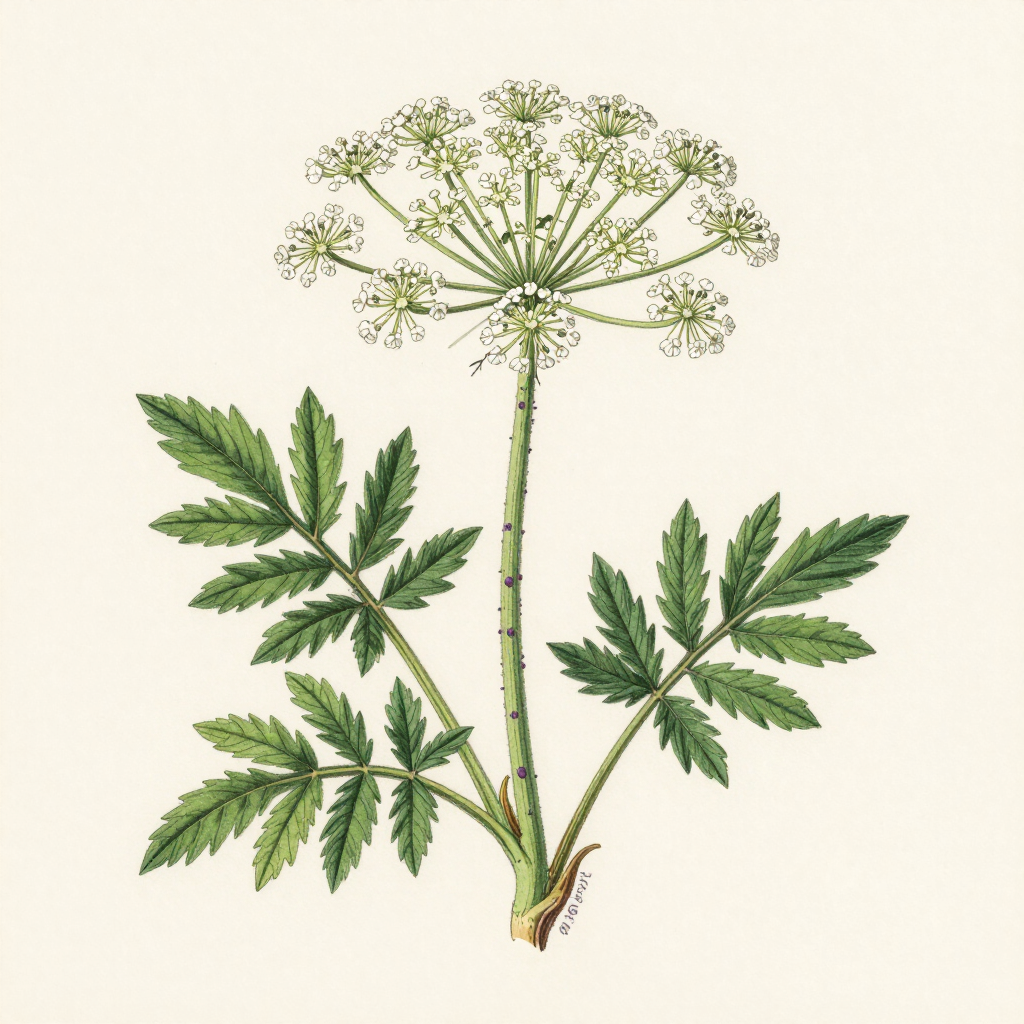
Botanical illustration of Conium Maculatum

Conium Maculatum

Poison Hemlock

A tall plant with purple-spotted stems

Known for its action on glands and the nervous system, particularly where there is hardening, swelling, or trembling. Symptoms often worsen in the evening and from lying down or turning in bed.

Common uses

Swollen or hardened glands, dizziness when lying down or turning the head, trembling, weakness in the legs, and tumors or growths of glandular tissue.

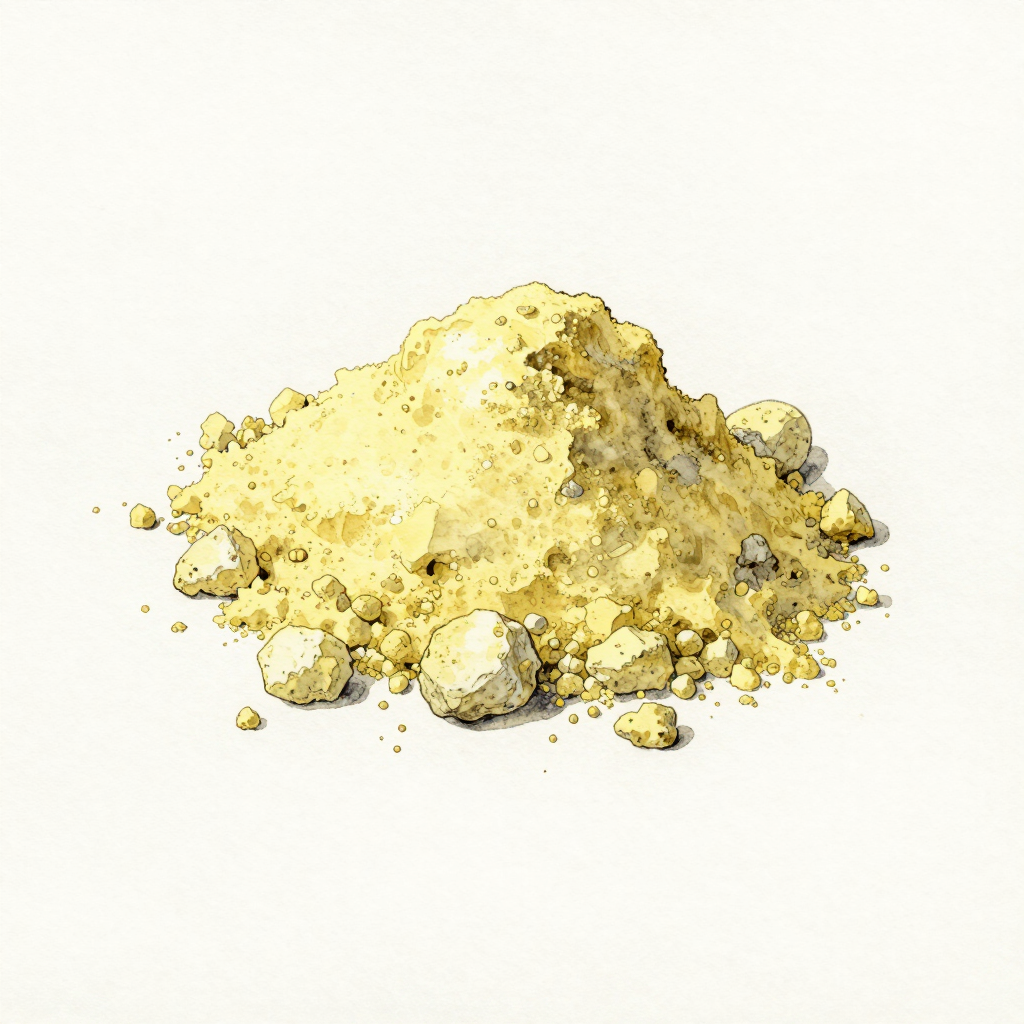
Botanical illustration of Hepar Sulphuris

Hepar Sulphuris

Calcium Sulfide (Hahnemann's Liver of Sulfur)

A pale yellow mineral compound

A remedy of great hypersensitivity, especially to cold and pain. The person is irritable, chilly, and cannot bear to be touched or uncovered. Discharges may smell sour or offensive, and cold air worsens everything.

Common uses

Painful skin eruptions and abscesses, sore throats, coughs triggered by cold air, ear infections, and conditions with extreme sensitivity to touch and cold.

Natural history illustration of a calm bushmaster snake

Lachesis

Bushmaster Snake Venom

The venom of the South American bushmaster snake

A left-sided remedy marked by intensity, jealousy, and loquacity. The person cannot bear tight clothing around the waist or neck, feels worse on waking, and improves once discharges begin to flow.

Common uses

Hot flashes and menopausal complaints, sore throats worse on the left side, headaches, menstrual issues, palpitations, and conditions that worsen on waking or with constriction.

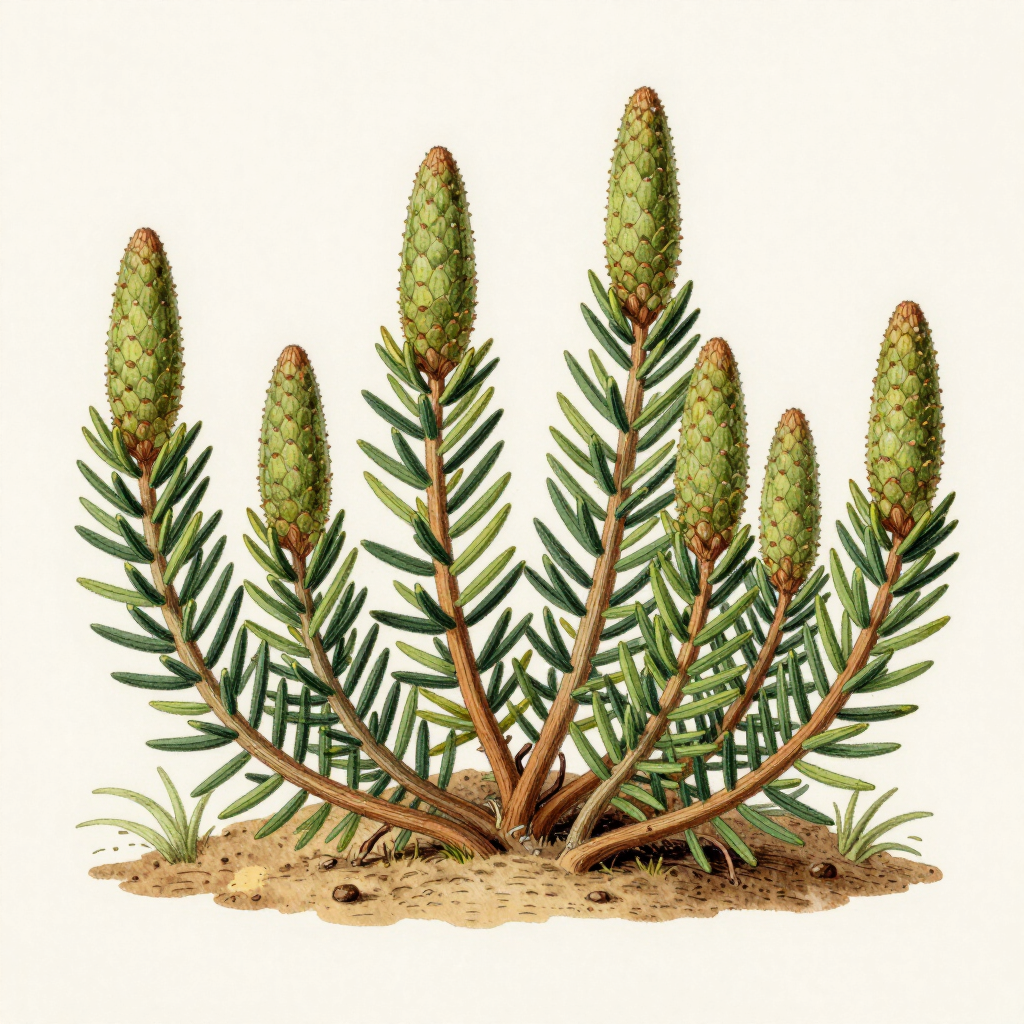
Botanical illustration of Lycopodium Clavatum

Lycopodium Clavatum

Clubmoss

A creeping evergreen moss with spore-bearing cones

Associated with digestive weakness, low confidence, and right-sided complaints. The person may appear capable but feels anxious and fears failure, with bloating and gas that worsen toward late afternoon.

Common uses

Bloating and gas, indigestion, right-sided headaches, urinary complaints, fatigue and low stamina, anxiety about performance, and conditions worse from 4 to 8 p.m.

Botanical illustration of Magnesia Phosphorica

Magnesia Phosphorica

Magnesium Phosphate

A white mineral salt

The leading remedy for cramping and spasmodic pains that feel better from warmth and firm pressure. It is closely linked with nervous tension and magnesium deficiency patterns.

Common uses

Menstrual cramps relieved by heat, leg cramps, muscle spasms, colicky abdominal pain, nerve pains, and cramping that improves with warmth and bending double.

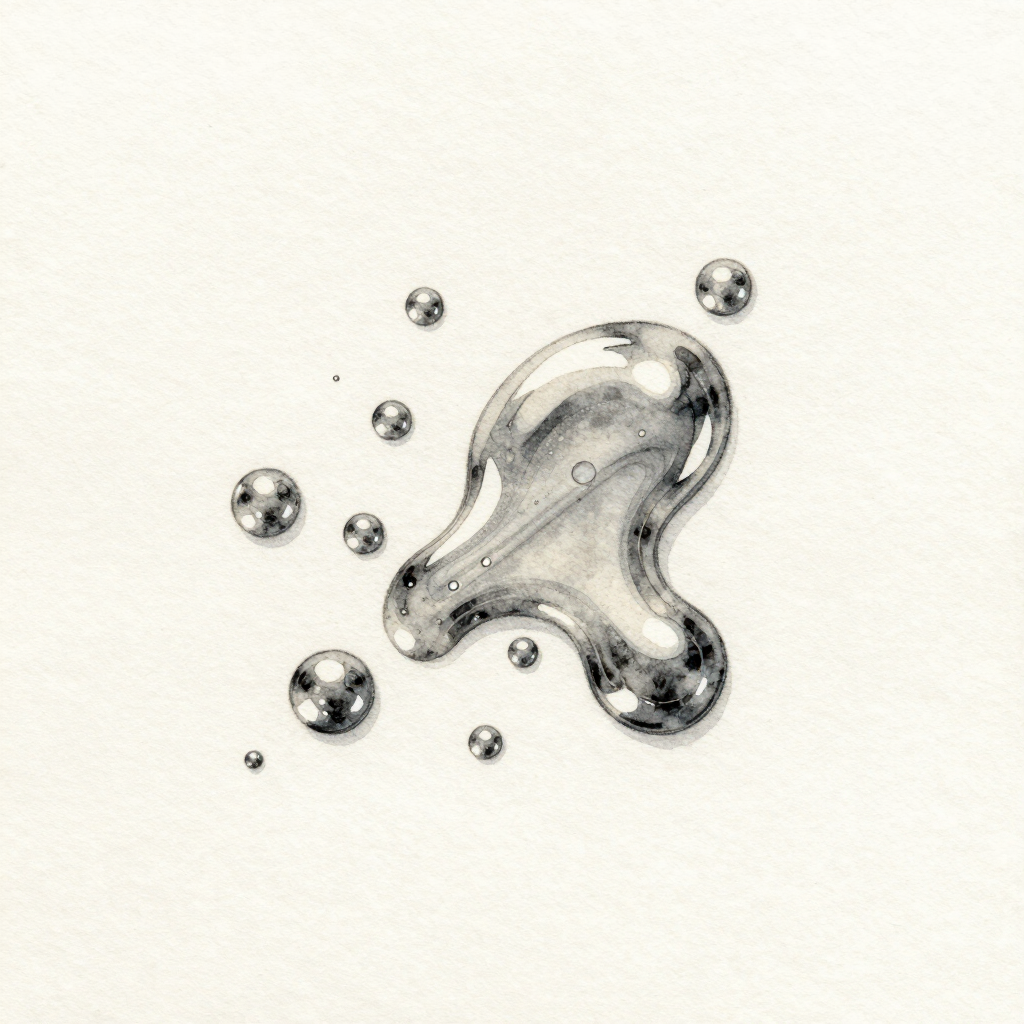
Botanical illustration of Mercurius Solubilis

Mercurius Solubilis

Mercury (Quicksilver)

The liquid metal, prepared homeopathically

A remedy for conditions with excessive salivation, sweating, and sensitivity to both heat and cold. The person trembles, is restless at night, and has offensive breath or discharges, with symptoms worse at night.

Common uses

Sore throats with excessive saliva, mouth ulcers and gum infections, earaches with pus, colds with foul discharge, swollen glands, and conditions with night sweats.

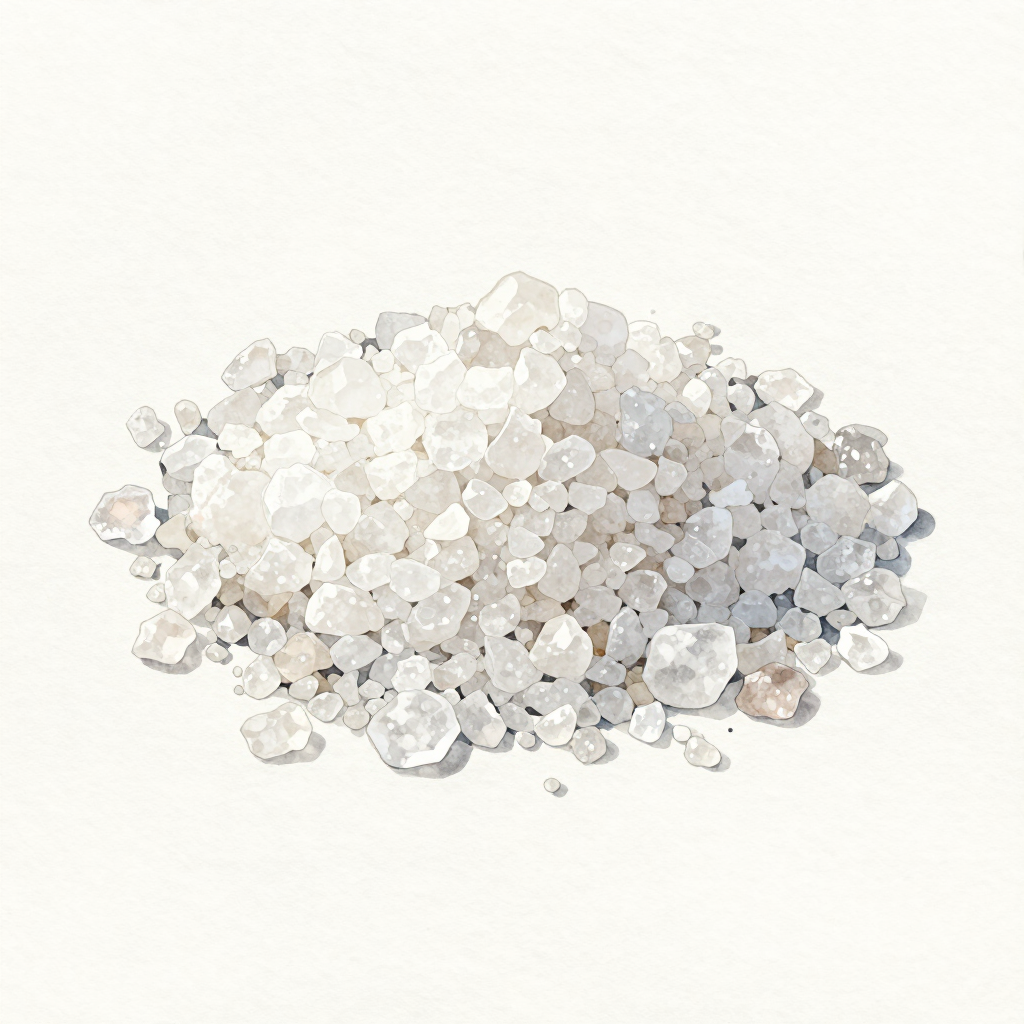
Botanical illustration of Natrum Muriaticum

Natrum Muriaticum

Sea Salt (Sodium Chloride)

Common salt prepared from sea water

A remedy for emotional suppression, grief, and watery conditions. The person often dwells on past hurts, dislikes consolation, and craves salt. Symptoms may include clear, watery discharges and dryness of the mucous membranes.

Common uses

Colds with watery discharge, headaches, cold sores, grief and emotional hurt, eczema, and conditions tied to unexpressed emotion or prolonged stress.

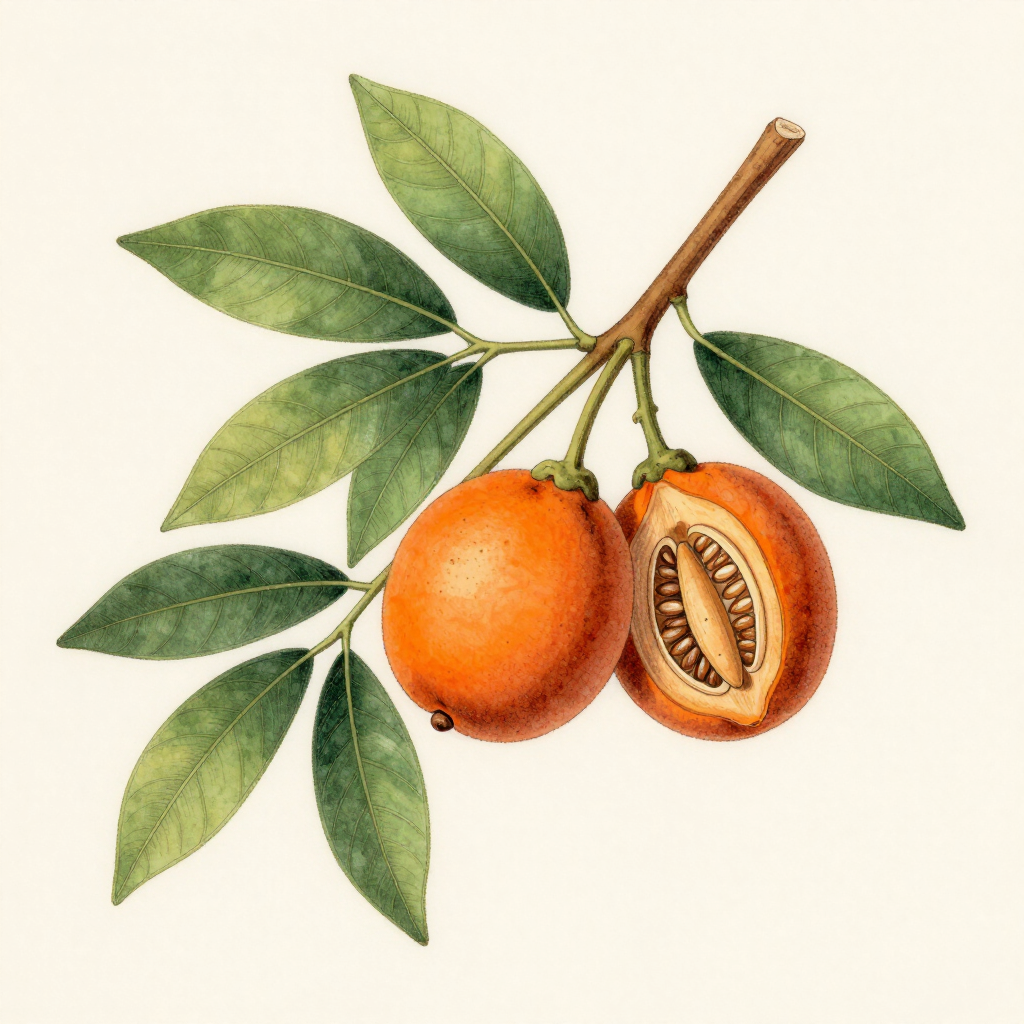
Botanical illustration of Nux Vomica

Nux Vomica

Poison Nut

The seeds of the Strychnos nux-vomica tree

The great remedy for overindulgence and modern stress. The person is driven, impatient, irritable, and sensitive to noise, light, and smells. Complaints often follow rich food, stimulants, overwork, or lack of sleep.

Common uses

Hangovers, indigestion from overeating, nausea, constipation, headaches from stress, insomnia with mental overactivity, and irritability from overwork or excess.

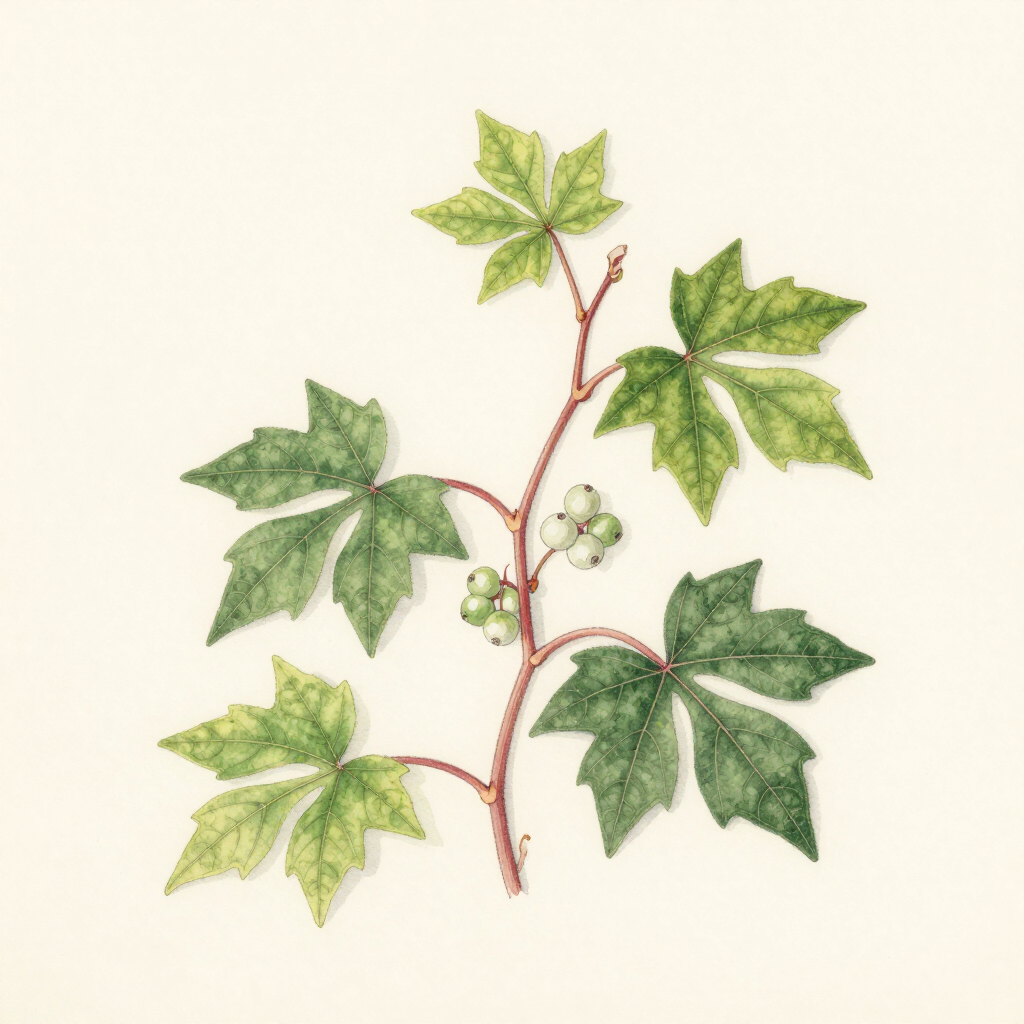
Botanical illustration of Rhus Toxicodendron

Rhus Toxicodendron

Poison Ivy

A climbing plant with three-leafleted leaves

The classic remedy for stiffness and pain that is worse on first motion but improves with continued movement. The person is restless, chilly, and better from warmth and stretching, with a characteristic "rusty gate" stiffness.

Common uses

Joint and muscle stiffness, sprains and strains, back pain, arthritis worse in cold damp weather, rashes with blisters, and restlessness that improves with gentle motion.

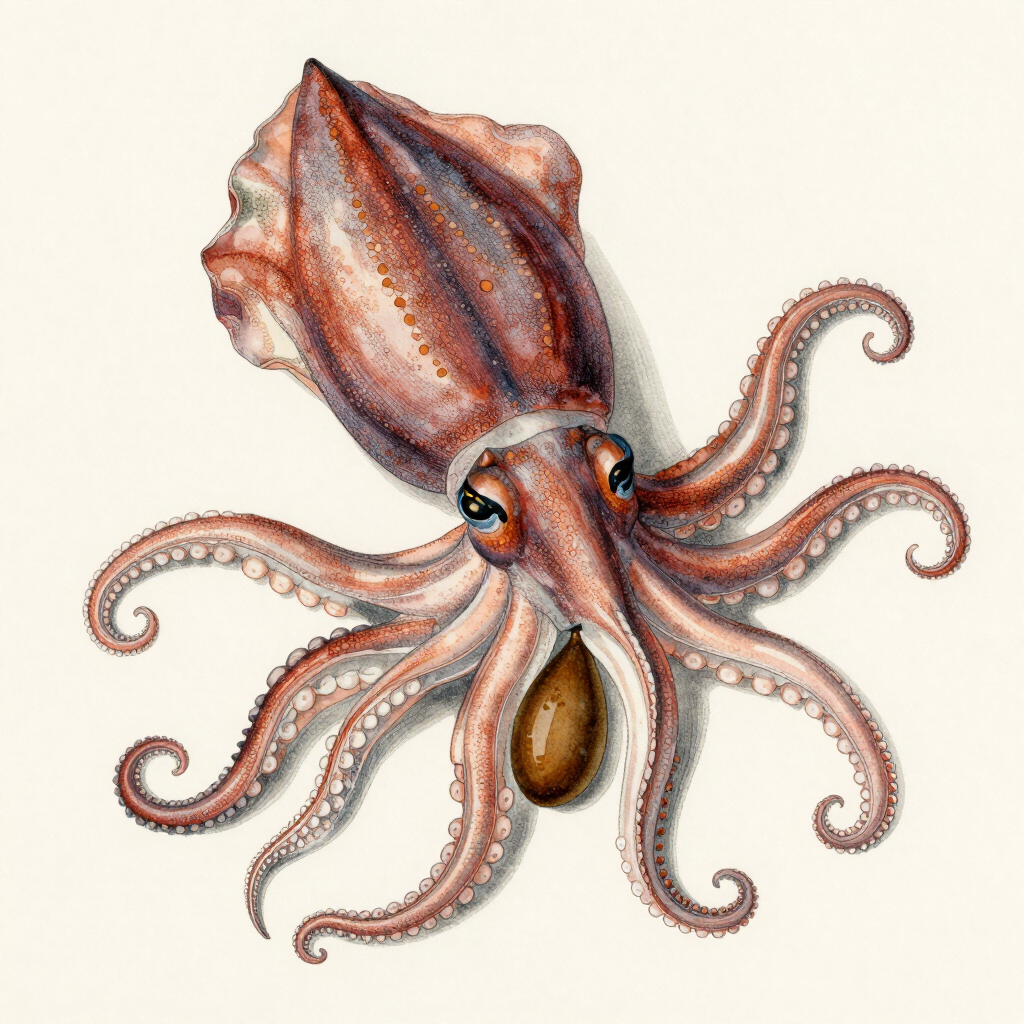
Botanical illustration of Sepia

Sepia

Cuttlefish Ink

The dark ink of the cuttlefish

A major women's remedy marked by fatigue, indifference, and a dragging sensation. The person feels pulled down, irritable with loved ones, and better from vigorous exercise or being alone. Often tied to hormonal shifts.

Common uses

Menstrual and menopausal complaints, exhaustion and apathy, low libido, pelvic heaviness, postpartum depression, and fatigue that improves with exercise.

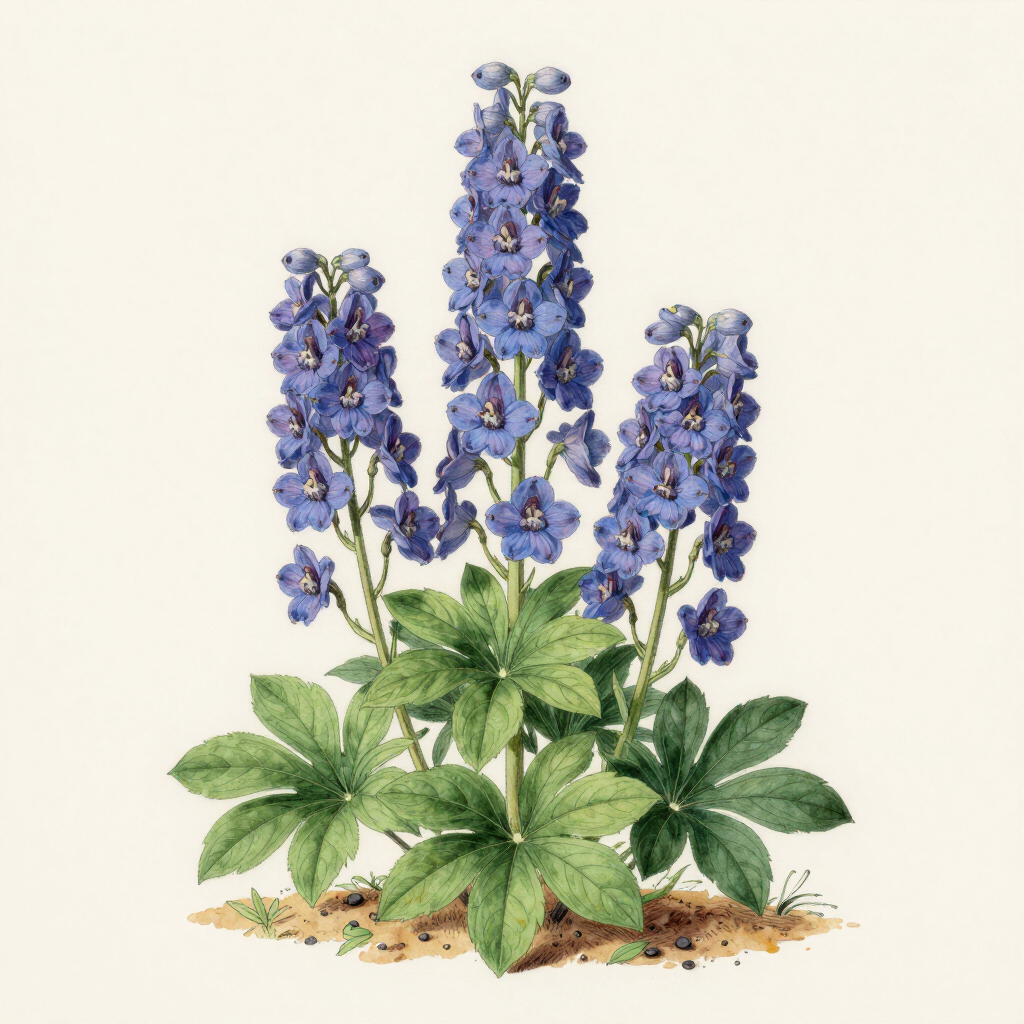
Botanical illustration of Staphysagria

Staphysagria

Stavesacre / Delphinium

A tall plant with purple-blue flowers

The remedy for suppressed anger, indignation, and the after-effects of humiliation. The person is sensitive, holds in emotion, and may develop symptoms after being wronged. Often used for surgical wounds and urinary complaints.

Common uses

Cystitis and urinary irritation after anger or sexual activity, surgical wound healing, styes, toothache, and conditions linked to suppressed grief or indignation.

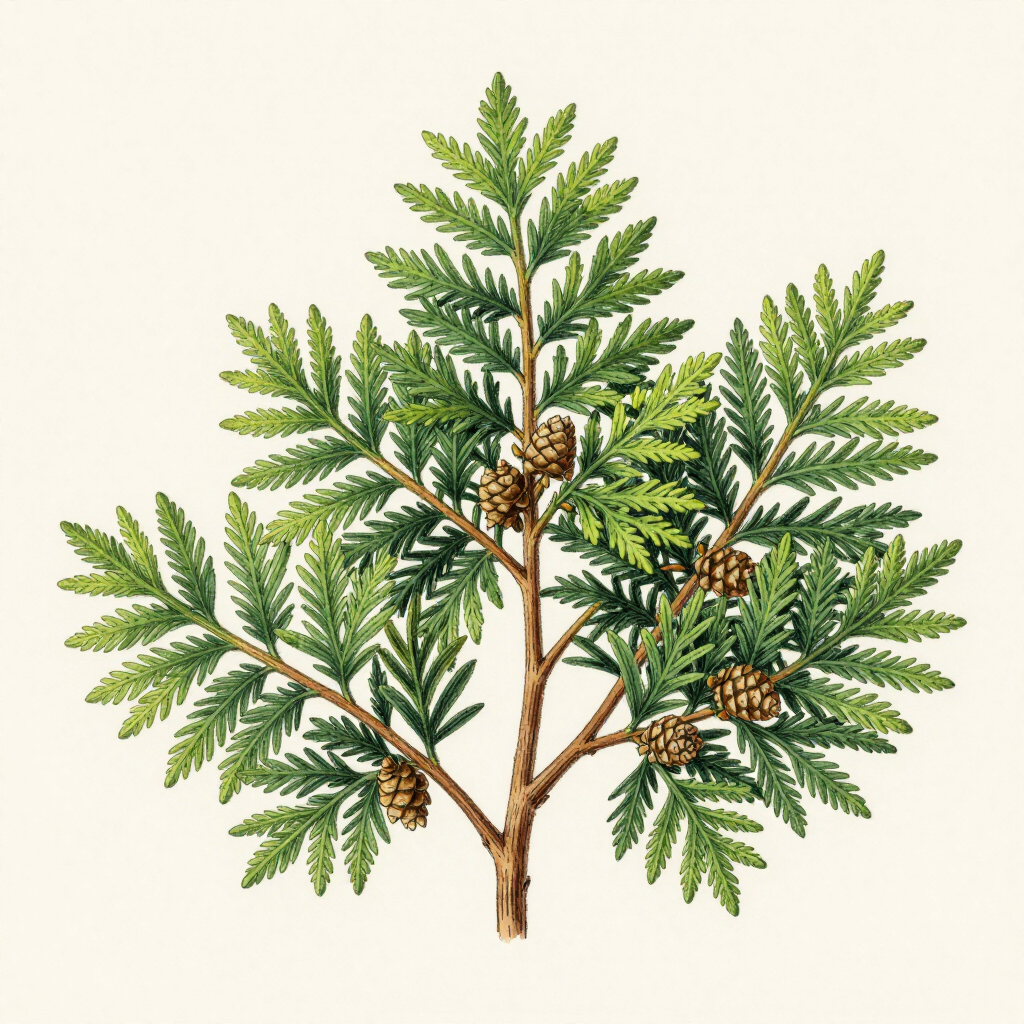
Botanical illustration of Thuja Occidentalis

Thuja Occidentalis

Arborvitae / White Cedar

An evergreen tree with scaly fan-like foliage

Known for its action on skin, warts, and the effects of vaccination or suppressed conditions. The person may feel as if something is alive in the abdomen or that the body is fragile, with oily skin and a sense of hidden shame.

Common uses

Warts and skin growths, chronic sinus and respiratory conditions, headaches, urinary and reproductive complaints, and the after-effects of vaccines or suppressed illness.

Ready to put it into practice?

Let the Family Remedy Finder match your symptoms to the right remedy.

You don't need to memorize these remedies. The Remedy Finder walks you through symptom-based selection using the same Banerji Protocols — no medical training required.