
Healing after birth

Reclaim your strength after birth

Birth is one of the most demanding things a body can do. Homeopathy supports physical healing and emotional recovery gently — addressing bruising, soreness, exhaustion, and the emotional landscape of new motherhood without the risks of conventional pain and mood medications.

Postpartum recovery is a season that asks a lot of a mother — physically and emotionally. The conventional path offers pain relievers for soreness and, for the emotional weight, medications that carry side effects and pass into breast milk. Homeopathy offers a gentler, whole-person approach: match the specific picture of your recovery — the bruising and trauma, the exhaustion, the weepiness or low mood — to the right remedy, and support your body and mind to heal from within. Safe while nursing, no side effects, no dependency, and you can handle it at home.

Safe while nursingNo side effectsNo dependencyWhole-person healing
Why homeopathy

How homeopathy helps

Conventional postpartum care tends to treat the parts separately — pain relievers for soreness, and for the emotional weight of new motherhood, medications that can cause drowsiness, emotional blunting, and pass through into breast milk. None of it supports the body’s own healing process or the emotional landscape as a whole.

Homeopathy reads your specific recovery picture — the bruising and deep soreness after birth, the exhaustion and indifference, the weepiness or grief, the sense of being pulled down. The right remedy supports physical healing of bruised and traumatized tissue, steadies the emotions, and helps you reclaim your strength — gently, safely, and without side effects or dependency.

The remedies most commonly used

Match the symptom, choose the remedy

These are the remedies modern homeopathic practice turns to most often for healing after birth. Read the descriptions, pick the closest match to what you actually see, and give it.

All Births

Arnica Montana (Leopard’s Bane) botanical illustration

Arnica Montana

Leopard’s Bane

The first remedy for physical trauma after birth. For postpartum bleeding, bruising, soreness, and the “beaten up” feeling that follows a demanding delivery.

Key signs it fits

  • Bruising and soreness after birth
  • “Beaten up,” aching all over
  • Everything feels tender to touch
  • Prolonged bleeding & lochia

Potency and dose are suggestions only.

Potency: 6C

Dose: every 3-4 hours; taper as symptoms improve

Bellis Perennis (English Daisy) botanical illustration

Bellis Perennis

English Daisy

For deep tissue trauma, especially pelvic and abdominal soreness after birth. Goes deeper than Arnica for the internal bruising of delivery.

Key signs it fits

  • Deep pelvic soreness after birth
  • Internal bruising, deeper than Arnica
  • Abdominal trauma and aching
  • Sore, bruised, heavy feeling

Potency and dose are suggestions only.

Potency: 200C

Dose: once daily for several days; taper as tenderness improves

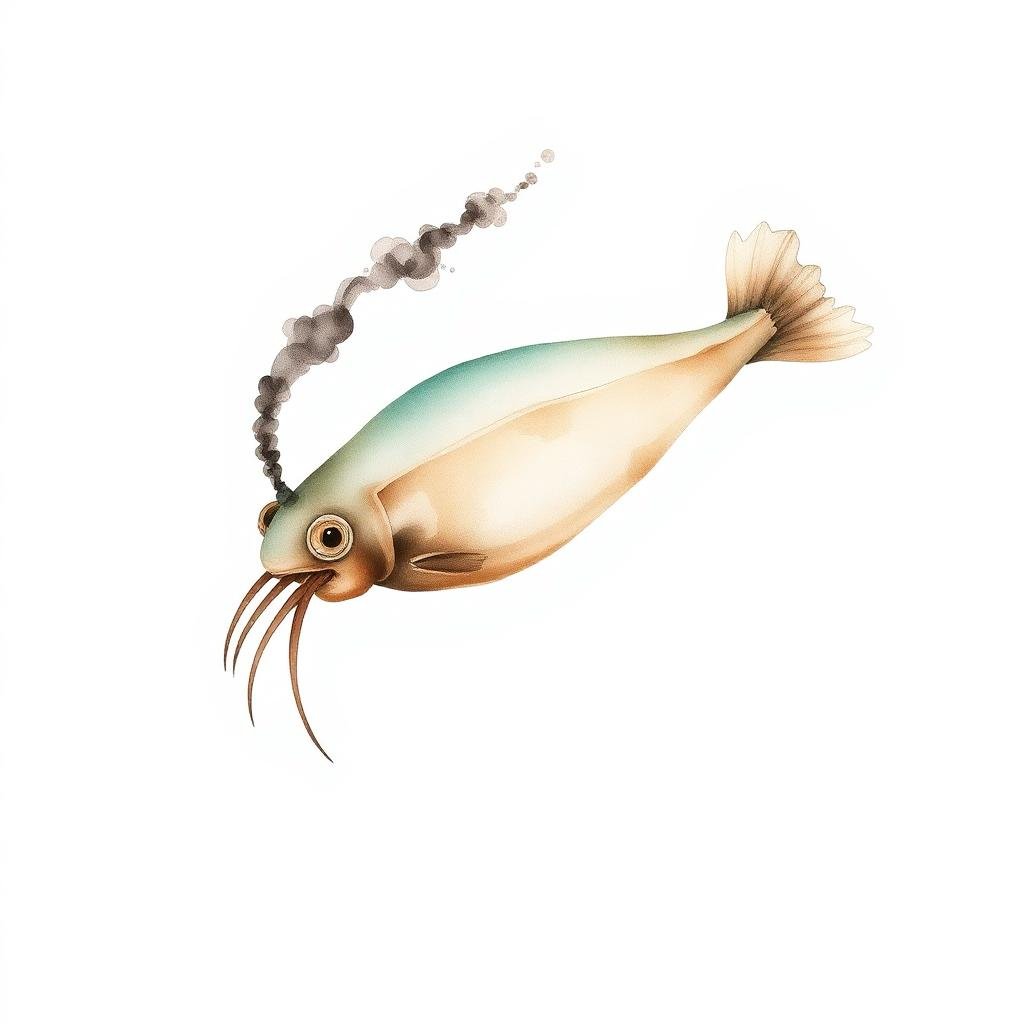
Sepia (Cuttlefish Ink) botanical illustration

Sepia

Cuttlefish Ink

For postpartum depression or exhaustion with indifference. The mother feels pulled down, irritable with loved ones, and better from vigorous exercise or being alone. Also for pelvic floor weakness or facial discoloration following birth.

Key signs it fits

  • Exhaustion with indifference
  • Dragging, heavy pelvic feeling
  • Irritable, wants to be alone
  • Brown spots on face

Potency and dose are suggestions only.

Potency: 200C

Dose: once every 3 days

Hospital Births

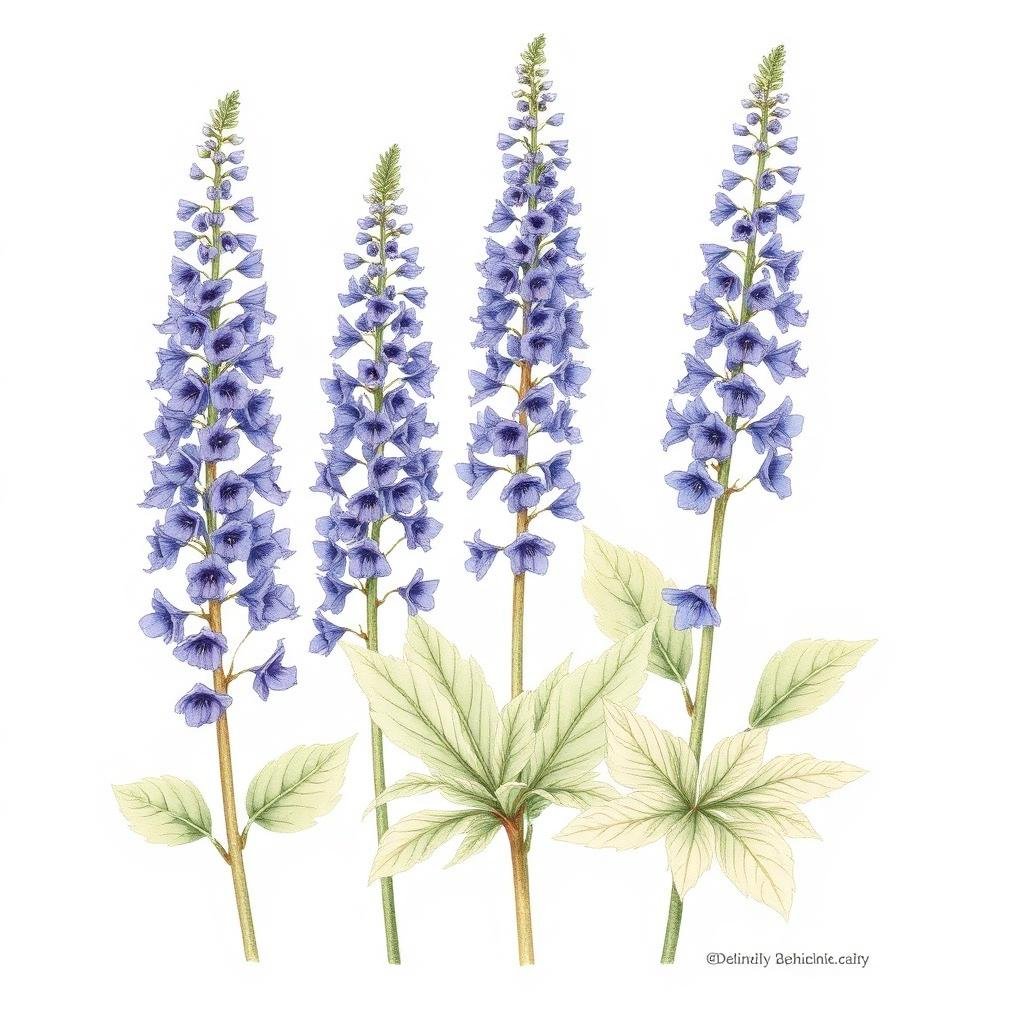
Staphysagria (Stavesacre) botanical illustration

Staphysagria

Stavesacre

For healing after a surgical birth, c-section, episiotomy, catheter, invasive birth, or vaginal tears. Especially helpful when there is deep tenderness, soreness, or emotional hurt after the physical trauma of birth.

Key signs it fits

  • Tenderness after stitches or surgery
  • Incision or pelvic soreness
  • Emotions held in after a difficult birth
  • Painful urination

Potency and dose are suggestions only.

Potency: 200C

Dose: once every 2-3 days; taper as symptoms improve.

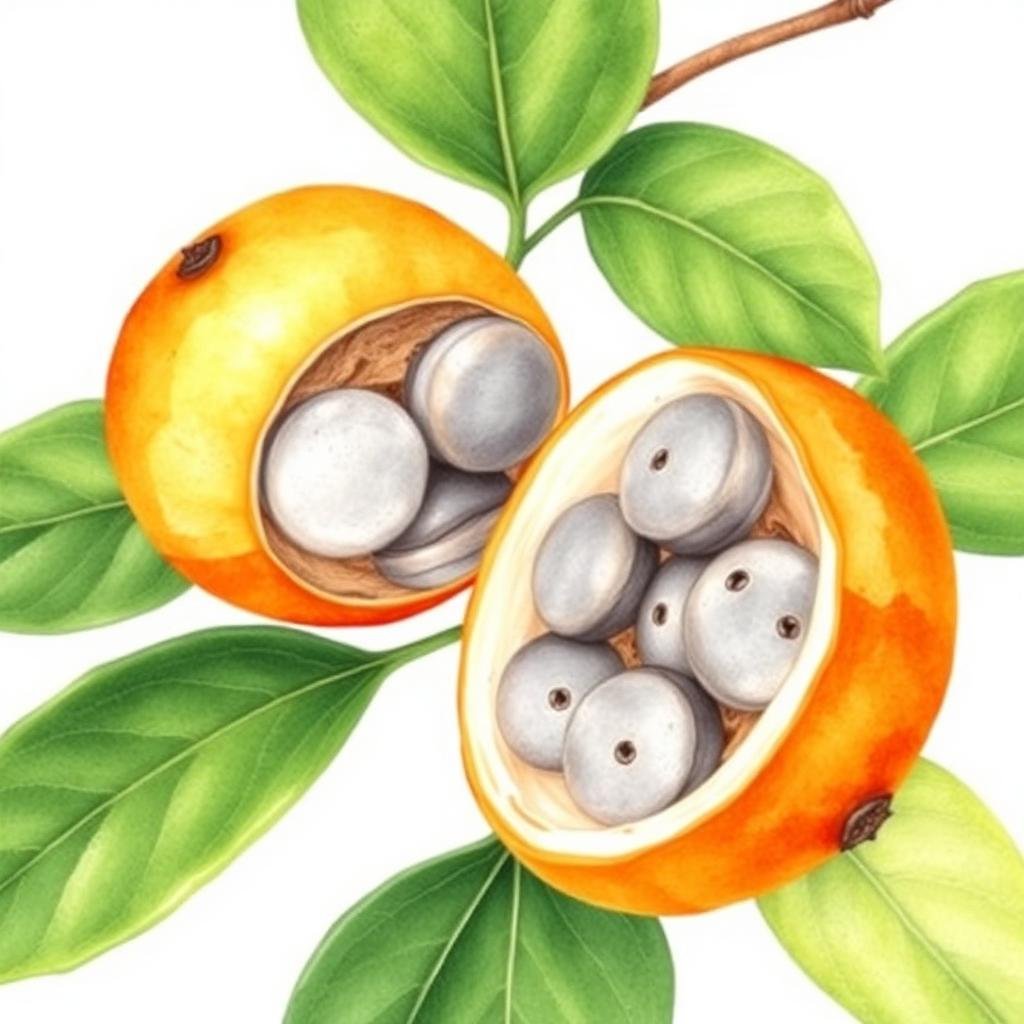
Nux Vomica (Poison Nut) botanical illustration

Nux Vomica

Poison Nut

For nausea, retching, vomiting, or digestive upset after anesthesia or pain medications. Especially when digestion feels sluggish or constipation follows medication.

Key signs it fits

  • Nausea or persistent retching after anesthesia
  • Vomiting after pain medication
  • Digestive upset, bloating, or constipation
  • Sluggish digestion after medication

Potency and dose are suggestions only.

Potency: 30C

Dose: every 3-4 hours; taper as symptoms improve.

Phosphorus (Phosphorus) botanical illustration

Phosphorus

Phosphorus

For dizziness or weakness after anesthesia or a surgical birth. Supports recovery when you feel lightheaded, faint, or deeply depleted after the anesthesic. 

Key signs it fits

  • Dizziness or lightheadedness after anesthesia
  • Headaches or brain fog
  • Easy bleeding following anesthesia
  • Nervous sensitivity after anesthesia

Potency and dose are suggestions only.

Potency: 30C

Dose: 1–2 times a day; taper as symptoms improve.

Practical guidance

How to give the remedy

Remedies come as tiny pellets or liquid drops. Tip a dose into the cap, then into the mouth, and let it dissolve. For babies and small children, dissolve a pellet in a little water and give a few drops by spoon or dropper. Two pellets or ten make no difference — one exposure is one dose. What matters is how often you repeat it.

Match the dose to the intensity

The more intense and sudden the symptoms, the more often you repeat the dose. As things ease, you space the doses further apart. The remedy-specific suggestions above are a starting point — let what you actually see guide how often you give it.

When to stop

As soon as there is clear, noticeable improvement, stop dosing. The remedy has done its work — continuing past improvement is not needed.

No change?

If nothing shifts after a few well-spaced doses, re-read the symptom picture and try the next closest match from the remedy cards above.

If you remember one thing

Match the remedy to the symptom, give it, and watch. As soon as there is real improvement, stop — the remedy has done its job.

When to seek extra support

Seek immediate support for low mood that worsens or includes thoughts of harming yourself or your baby. For heavy bleeding, fever, severe pain, signs of infection, or a very unwell feeling, seek medical care promptly. You can use homeopathic support alongside conventional care if needed.

You can do this

You gave birth. Now let your body heal.

Read the picture of your postpartum recovery — physical and emotional — and match it to the remedy that fits. The Family Remedy Finder makes the match simple, so you can focus on resting and bonding with your baby.

For educational use only. Not medical advice. Homeopathic remedies are natural and therefore have not been and will never be evaluated by the FDA for efficacy. Remedy suggestions are based on hundreds of years of traditional use and research by modern homeopathic doctors. Always seek professional medical care for life-threatening emergencies.