Focus, calm & behavior

Calm the storm, support the child

When a child can’t settle, focus, or slow down, homeopathy offers a gentler path than stimulant medications — supporting the nervous system’s natural balance without the risks of psychiatric effects, dependency, or withdrawal.

Behavior and hyperactivity challenges are where parents feel the most pressure to medicate — and where the stakes feel highest. Stimulant medications carry real risks: psychiatric effects, cardiovascular concerns, appetite suppression, sleep disruption, and dependence with withdrawal when stopped. Homeopathy takes a different approach. It reads the unique picture of the child’s restlessness, intensity, and behavior and matches a remedy that gently supports the nervous system’s natural balance — no sedation, no side effects, no dependency. The goal isn’t to suppress who your child is, but to help them settle into their best self.

No sedationNo dependencyNo side effectsPreserves personality
Why homeopathy

How homeopathy helps

Conventional stimulant medications suppress symptoms — and they come with a heavy load. Mood and behavior changes, anxiety, insomnia, appetite suppression, elevated heart rate and blood pressure, and the risk of dependence are all documented. When the medication stops, symptoms often return within 24–48 hours, sometimes more intensely, and stopping requires careful tapering. None of it addresses the underlying pattern.

Homeopathy reads the child’s specific picture — the kind of restlessness, the triggers, the intensity, what makes them better and worse — and matches a remedy to that pattern. The nervous system is gently supported toward its own balance. Effects build gradually as the remedy supports the body’s natural regulation, and when the remedy is stopped, improvements hold without withdrawal. This is rebalancing, not suppression.

The remedies most commonly used

Match the symptom, choose the remedy

These are the remedies modern homeopathic practice turns to most often for focus, calm & behavior. Read the descriptions, pick the closest match to what you actually see, and give it.

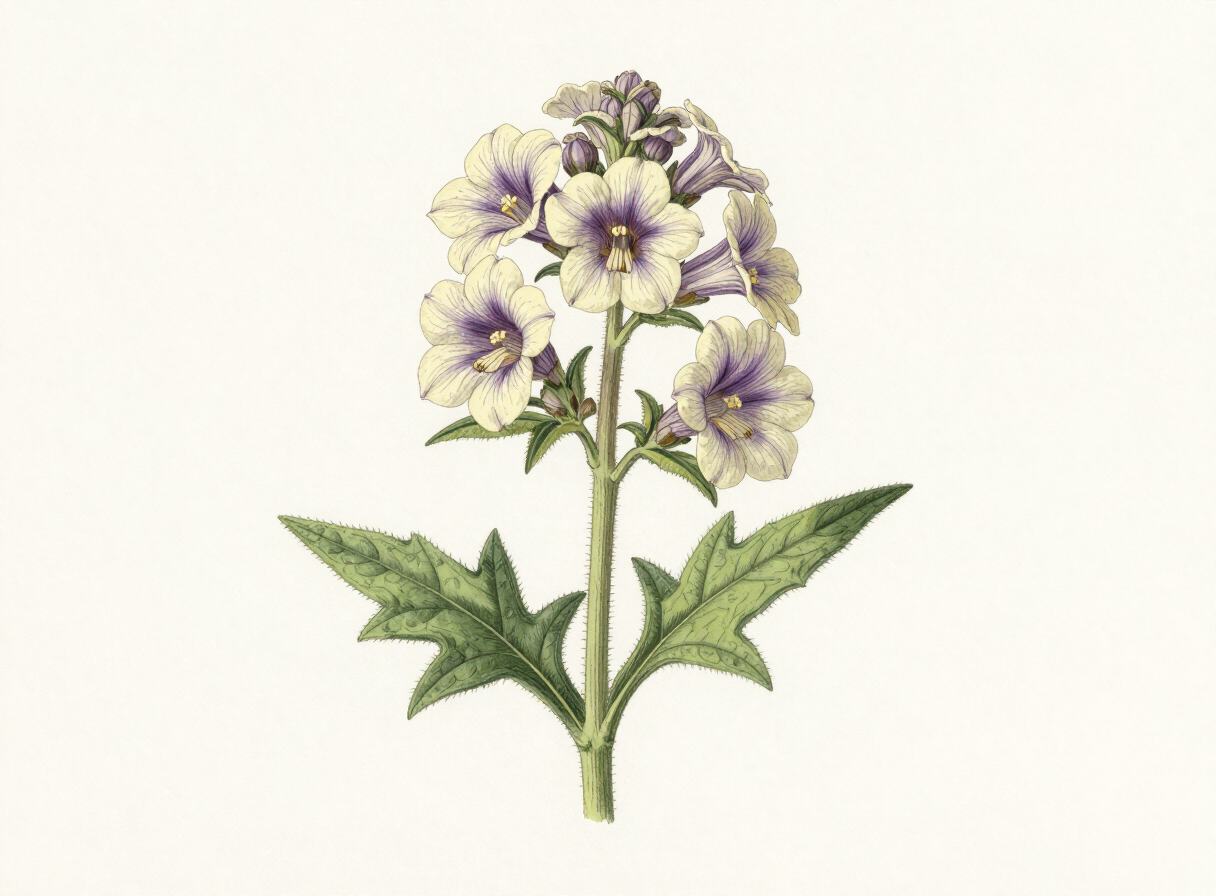
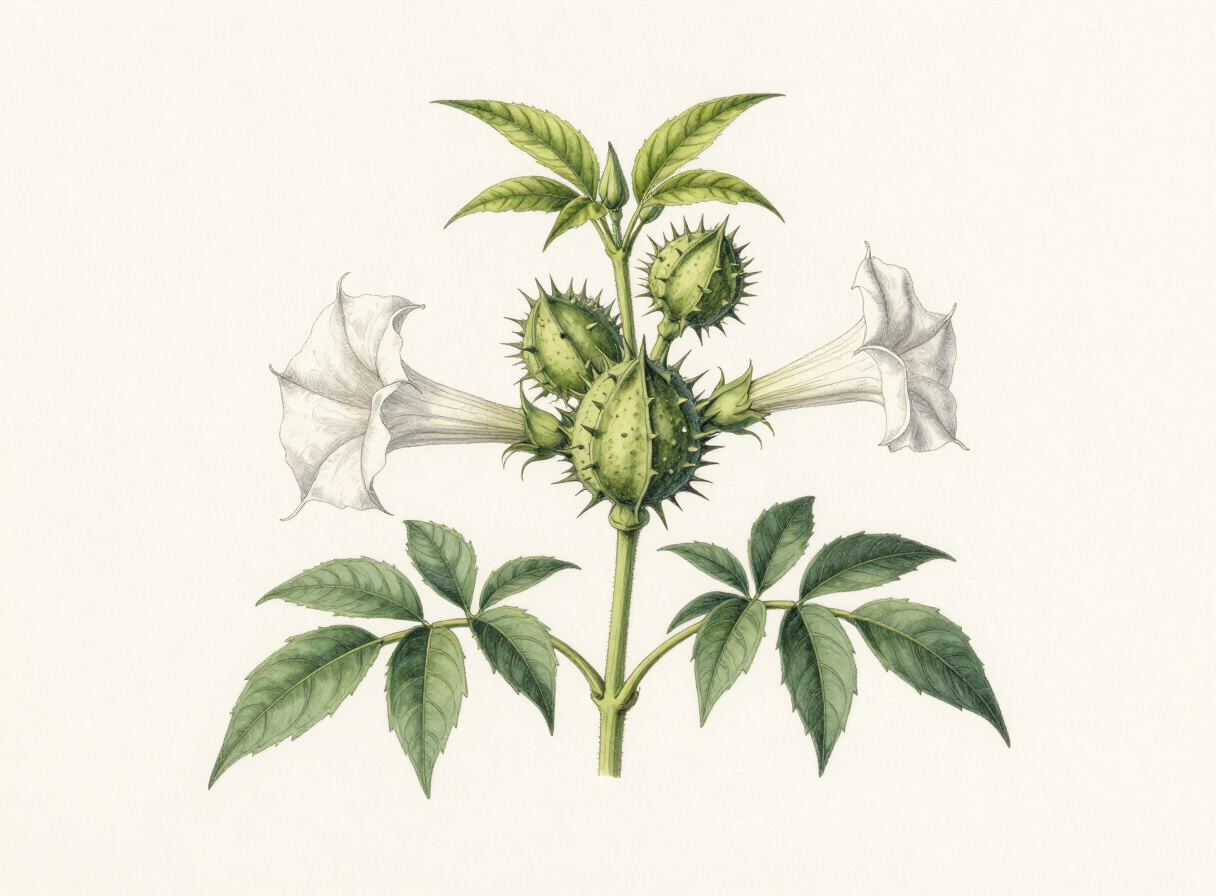
Stramonium (Thorn Apple) botanical illustration

Stramonium

Thorn Apple

For intense, fearful hyperactivity with violent outbursts. The child may be afraid of the dark, have night terrors, and become physically aggressive when overwhelmed.

Key signs it fits

  • Violent outbursts, fears, terrors
  • Afraid of the dark and being alone
  • Intense, impulsive, can be aggressive
  • Worse after fright or trauma

Potency and dose are suggestions only.

Potency: 6C

Dose: Twice daily

Hyoscyamus (Henbane) botanical illustration

Hyoscyamus

Henbane

For the child with wild, disinhibited, or silly behavior who cannot stop moving or talking. They may seek constant attention, act impulsively, and become jealous or suspicious when they feel left out.

Key signs it fits

  • Silly, disinhibited, attention-seeking behavior
  • Constant motion and excessive talking
  • Impulsive, jealous, or suspicious
  • Restless and worse when left alone

Potency and dose are suggestions only.

Potency: 6C

Dose: Twice daily

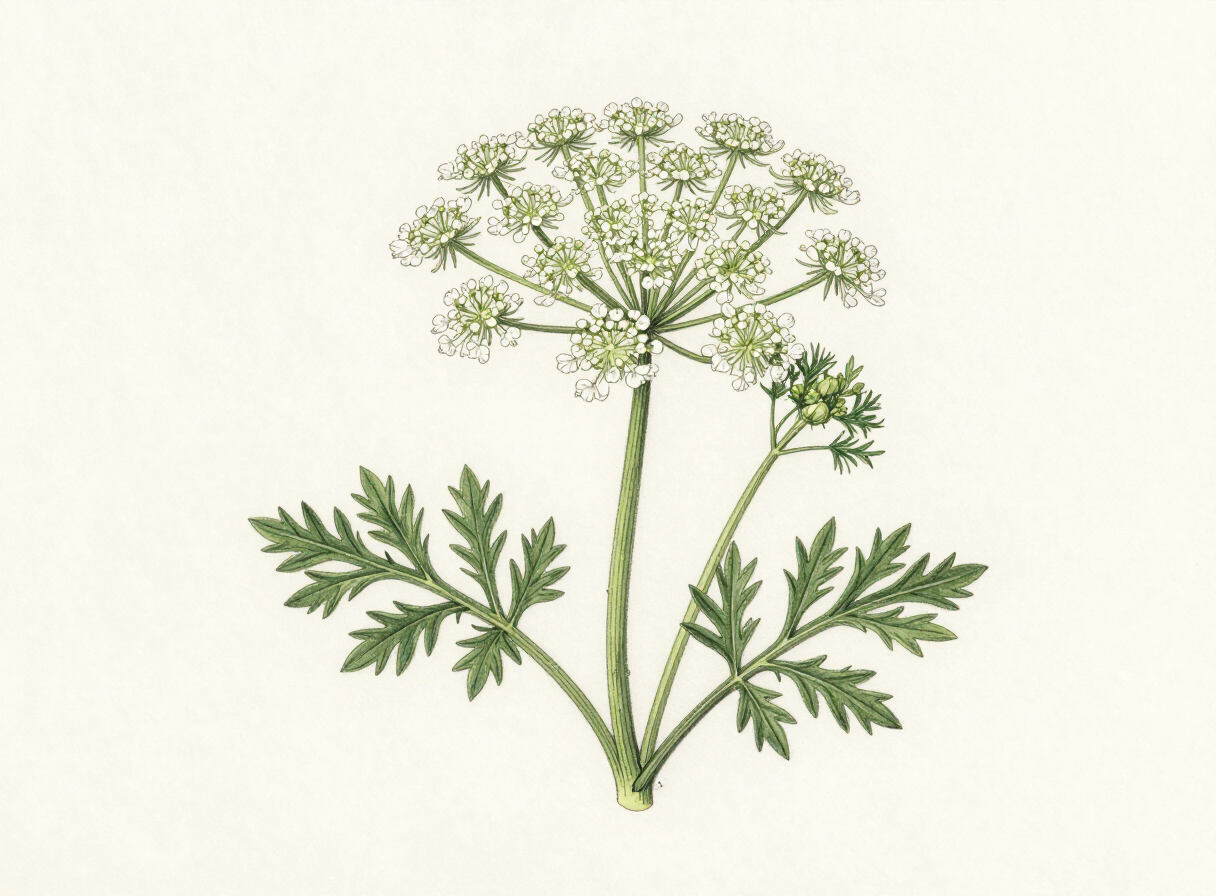
Aethusa (Fool’s Parsley) botanical illustration

Aethusa

Fool’s Parsley

For the child who becomes overwhelmed easily, cannot concentrate, and grows irritable or restless from mental effort. They may seem exhausted after trying to focus, have dairy intolerance, and need quiet and space to recover.

Key signs it fits

  • Cannot concentrate or think clearly
  • Irritable and restless when overwhelmed
  • Mental effort quickly causes exhaustion
  • Better from quiet and being left alone

Potency and dose are suggestions only.

Potency: 200C

Dose: Once every 3 days

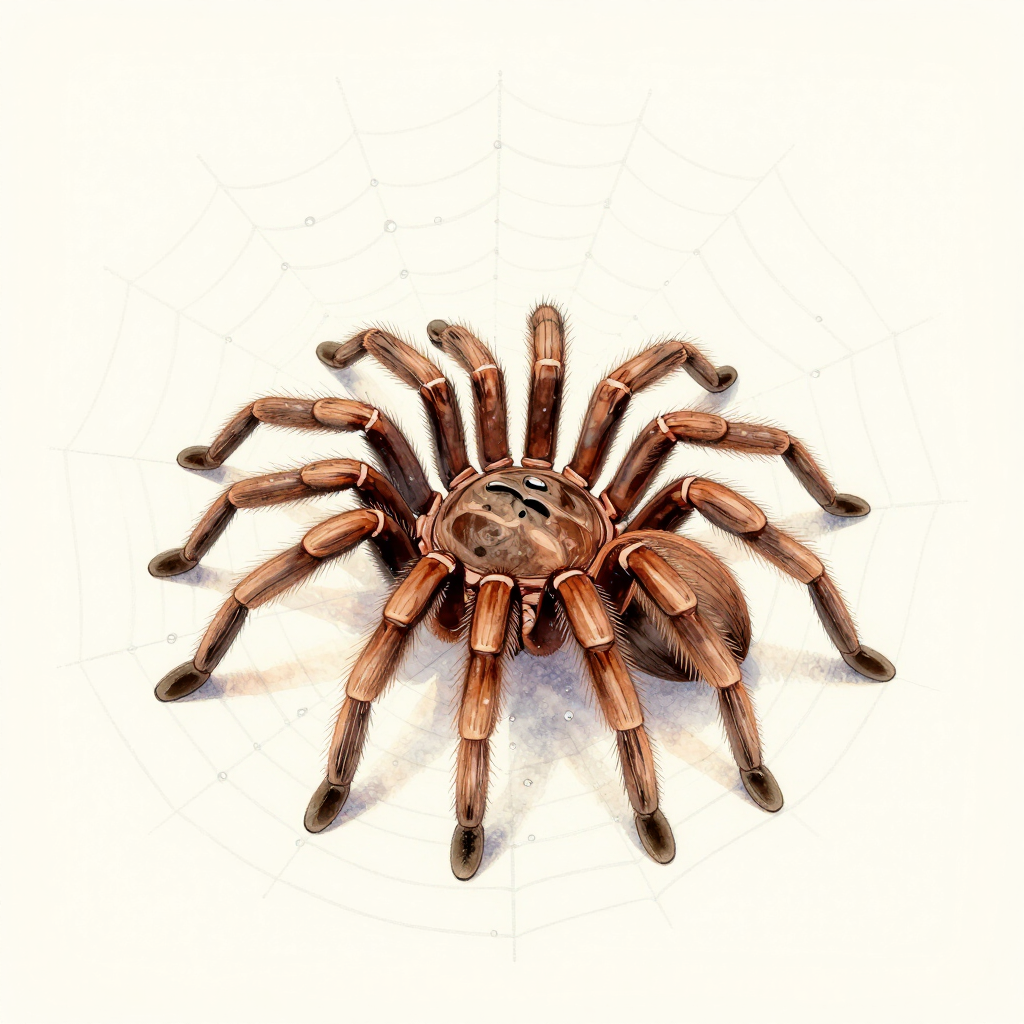
Tarentula Hispanica (Spanish Tarantula) botanical illustration

Tarentula Hispanica

Spanish Tarantula

For hyperactivity with an intense need for constant motion. The child is restless, busy, cannot sit still, and often feels better from music and rapid movement.

Key signs it fits

  • Constant, driven restlessness
  • Must move, cannot stay still
  • Better from music and activity
  • Impulsive, hurried, intense

Potency and dose are suggestions only.

Potency: 200C

Dose: Once every 3 days

Calcarea Phosphorica (Calcium Phosphate) botanical illustration

Calcarea Phosphorica

Calcium Phosphate

For irritability or a change in behavior during growth spurts, especially when a child is restless, easily distracted, or struggling to keep up developmentally. It also offers nutritive support for developmental delays and children who tire easily from mental effort.

Key signs it fits

  • Irritability or changed behavior during growth spurts
  • Restless and easily distracted
  • Developmental delays or slow progress
  • Mental effort quickly causes fatigue

Potency and dose are suggestions only.

Potency: 3X or 6X

Dose: Twice daily

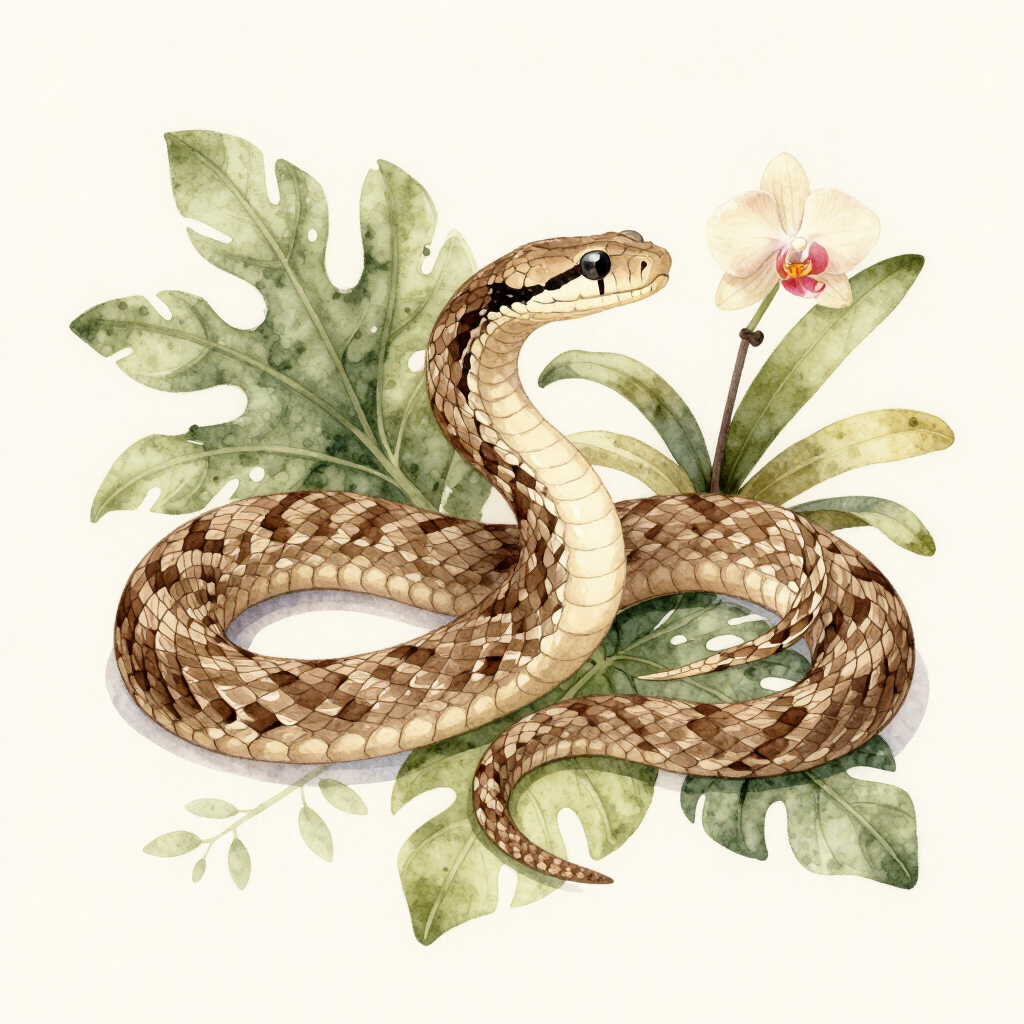
Lachesis (Bushmaster Snake Venom) botanical illustration

Lachesis

Bushmaster Snake Venom

For the intense, talkative child who becomes restless and irritable when holding feelings in. They may be quick, creative, and expressive, with behavior that worsens after waking or when interrupted.

Key signs it fits

  • Intense, talkative, and expressive
  • Restless or irritable after waking
  • Strong reactions to interruption or being contradicted
  • Feels better after expressing feelings

Potency and dose are suggestions only.

Potency: 200C

Dose: Once every 3 days

Practical guidance

How to give the remedy

Remedies come as tiny pellets or liquid drops. Tip a dose into the cap, then into the mouth, and let it dissolve. For babies and small children, dissolve a pellet in a little water and give a few drops by spoon or dropper. Two pellets or ten make no difference — one exposure is one dose. What matters is how often you repeat it.

Match the dose to the intensity

The more intense and sudden the symptoms, the more often you repeat the dose. As things ease, you space the doses further apart. The remedy-specific suggestions above are a starting point — let what you actually see guide how often you give it.

When to stop

As soon as there is clear, noticeable improvement, stop dosing. The remedy has done its work — continuing past improvement is not needed.

No change?

If nothing shifts after a few well-spaced doses, re-read the symptom picture and try the next closest match from the remedy cards above.

If you remember one thing

Match the remedy to the symptom, give it, and watch. As soon as there is real improvement, stop — the remedy has done its job.

When to seek extra support

Homeopathy is a gentle, empowering option for everyday behavior and focus challenges. For severe, persistent, or safety-concerning behavior, work alongside your healthcare provider or a child specialist. Never stop a prescribed medication on your own — talk to the doctor who prescribed it. You can use homeopathic support alongside conventional care.

You can do this

Your child is not a diagnosis.

Is your child struggling with other types of behavior issues or developmental delays? The Remedy Finder has remedies for over 100 different symptoms and conditions. Read the unique picture of your child’s behavior, match it to the remedy that fits, and support their nervous system’s natural balance. The Family Remedy Finder makes the match simple.

For educational use only. Not medical advice. Homeopathic remedies are natural and therefore have not been and will never be evaluated by the FDA for efficacy. Remedy suggestions are based on hundreds of years of traditional use and research by modern homeopathic doctors. Always seek professional medical care for life-threatening emergencies.